
Come not between the dragon and his wrath – William Shakespeare (King Lear)
Imagine this: You are on a diving trip in the serene waters of the Pacific Ocean, off the Australian coast. As you drift over the rocky reefs and kelp beds, your buddy suddenly shouts, “Watch out! A dragon!”
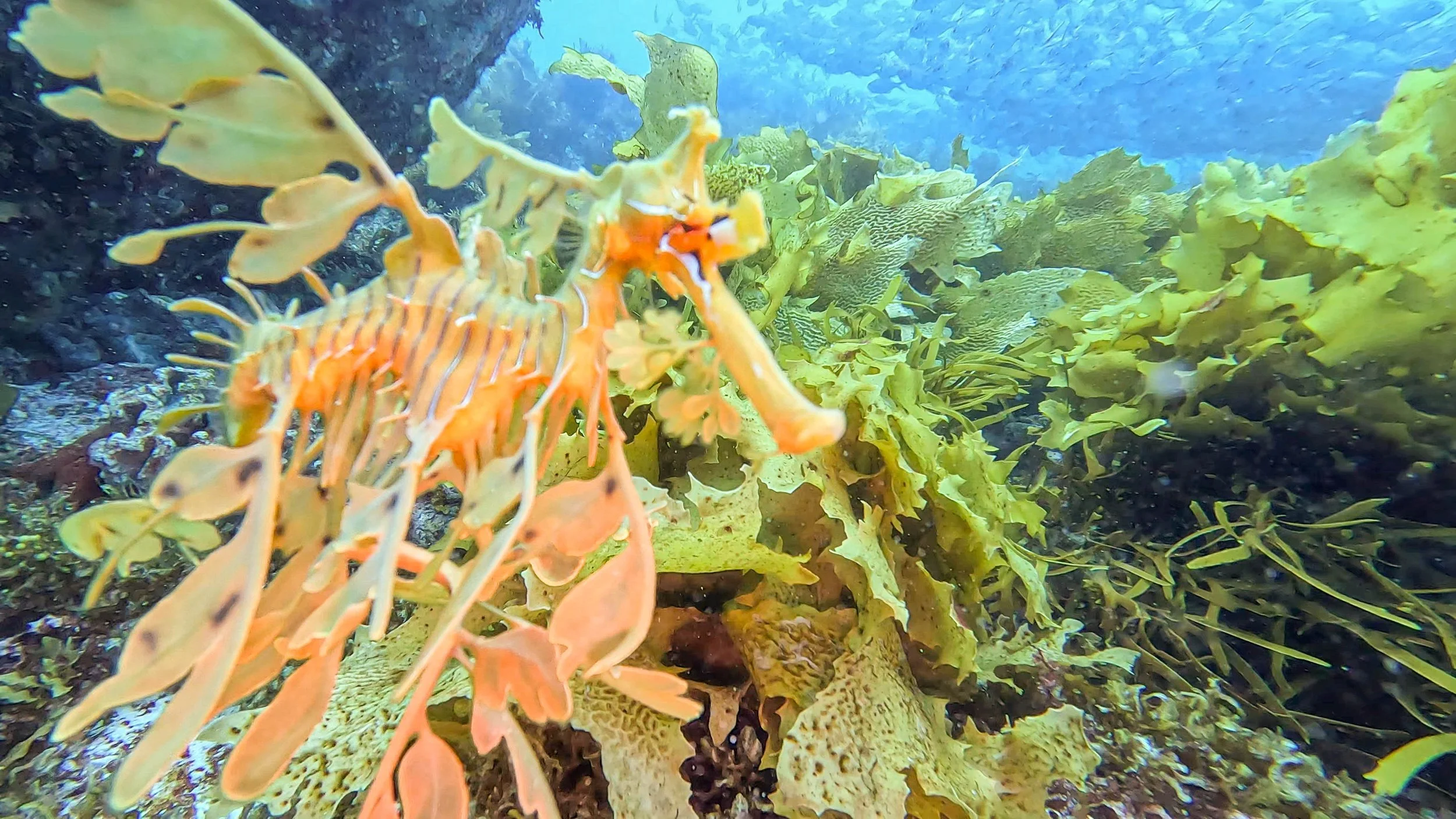
Fig 1: On a diving trip in the serene waters of the Pacific Ocean, you are lazily moving over the rocky reefs and the seaweed beds, until something catches your eye. You are lucky; it wasn’t supposed to. (Photo credit: iStock/Tomio Yamazaki)
Did you just disregard Mr Shakespeare’s warning by coming between the dragon and his wrath? You look around. There’s no sign of a fire-breathing dragon with razor-sharp claws, waiting to shred and fry you up. Things are as serene as they possibly could be in this watery wonderland, with colorful fish swimming around you and bits of seaweeds floating past in the ocean current.
One particularly beautiful piece of seaweed catches your eye. It isn’t supposed to. Somehow, though, it ends up right in front of you. It looks like a seaweed; however, upon close inspection, you realize that it is not.
That fragment of seaweed floating in front of you, my friend, is a seadragon. And fear not, these dragons will cause you no harm. They are specifically designed to attract as little attention as possible, and are the happiest when unnoticed or ignored. No claws, no fire-spewing nostrils; these are the most peace-loving dragons around! Let’s meet the seadragon cousin trio of Australia:
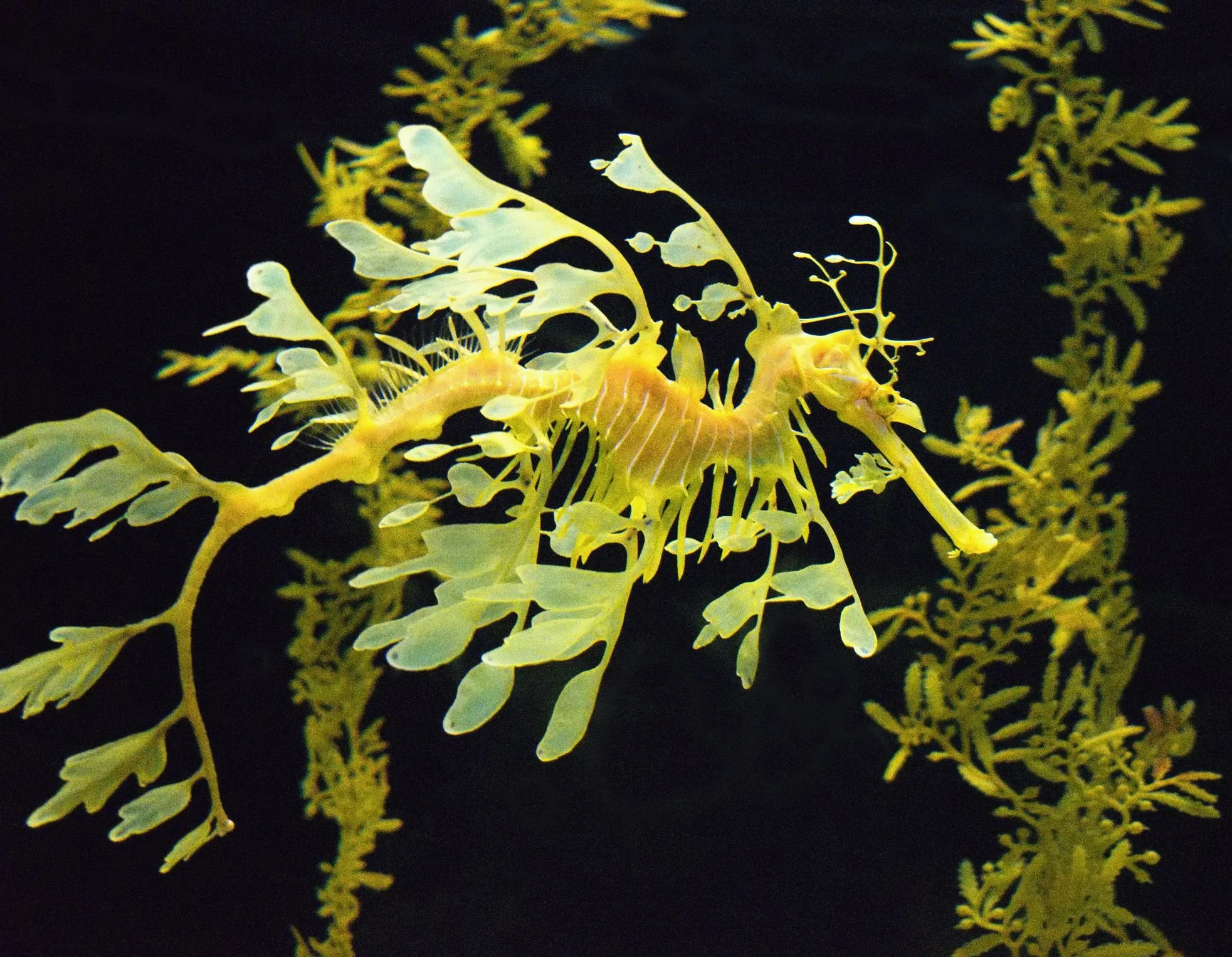
Fig 2: Leafy sea dragon (Phycodurus eques). (Photo credit: iStock/Tunatura)
Leafy seadragon: The most stunning of the lot, the leafy seadragon (Phycodurus eques) lives in the seaweed beds, seagrass meadows of the southern coastline of Australia. Leafies have leaf-like appendages all over their bodies; they literally look like pieces of seaweed that have broken off and are floating around. In fact, even their movements appear to mimic the swaying movements of seaweed and kelp.
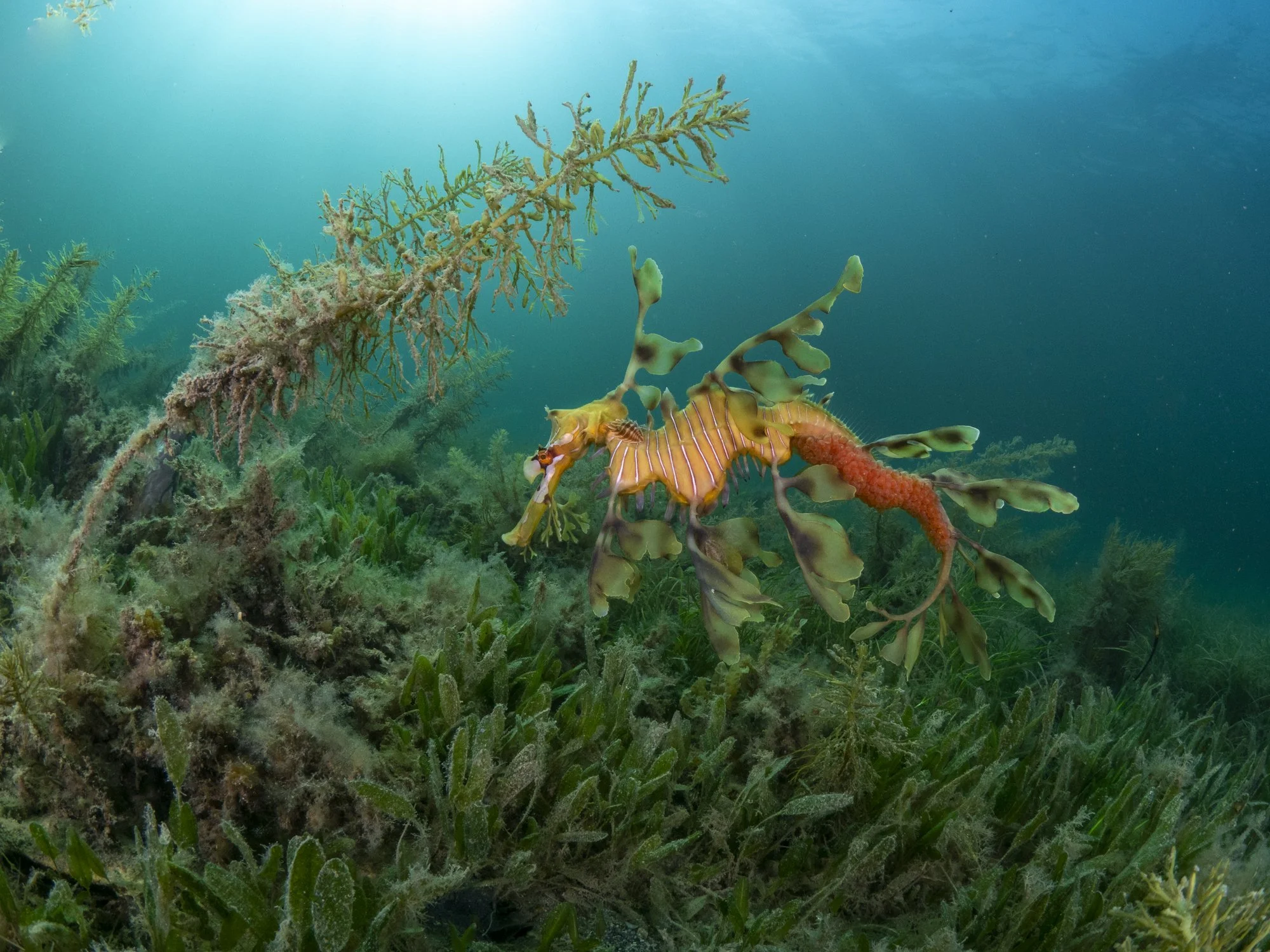
Fig 3: The male leafy seadragon incubates eggs on the underside of his tail for 4-6 weeks. (Photo credit: iStock/Rosie Leaney)
Seadragons and seahorses share an unusual feature – the male gets pregnant after courtship! During mating, the female transfers 100-250 eggs to the brood pouch on the underside of the male’s tail. The father incubates the eggs for 4-6 weeks before ‘giving birth’ to juvenile seadragons.
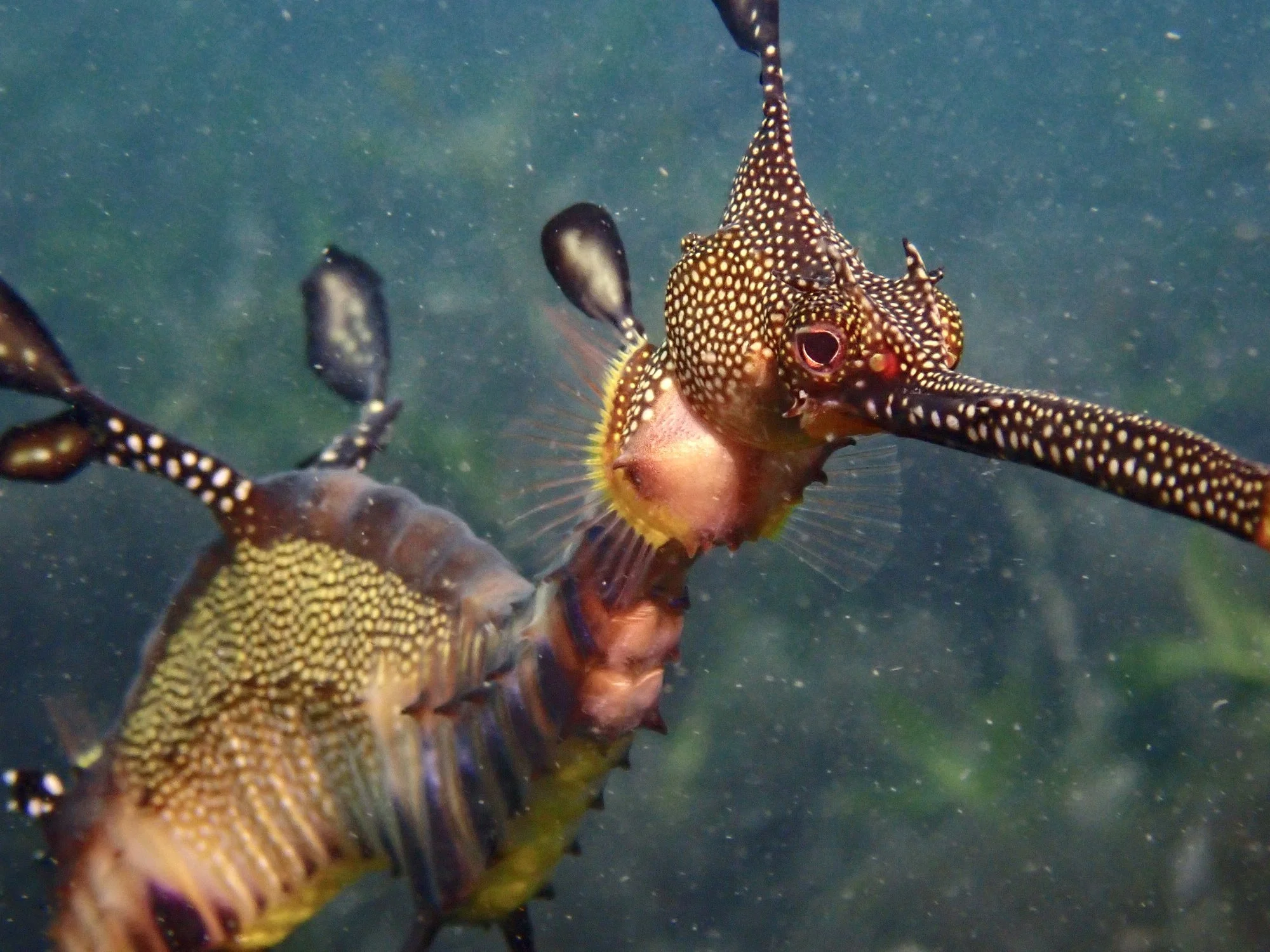
Fig 4: The exotic weedy seadragon (Phyllopteryx taeniolatus) at Flinders Pier, Victoria, Australia. Notice the transparent pectoral fins, which helps the seadragon change direction and move in water. (iStock/Katherine O’Brien)
Weedy seadragon: A little less showy than its leafy cousin, the weedy seadragon (Phyllopteryx taeniolatus) has leaf-like appendages resembling the swaying kelp (brown sea algae) fronds found in its habitat. Decorated with blue bars and intricate spots, this common seadragon is found in the Great Southern Reef (GSR) of Australia. Just like leafy, our weedy sways and moves through water like a floating seaweed. Look at the picture below; you can make out the thin, transparent pectoral fins (just below its head) which discreetly moves to help the seadragon navigate its way through the ocean water.
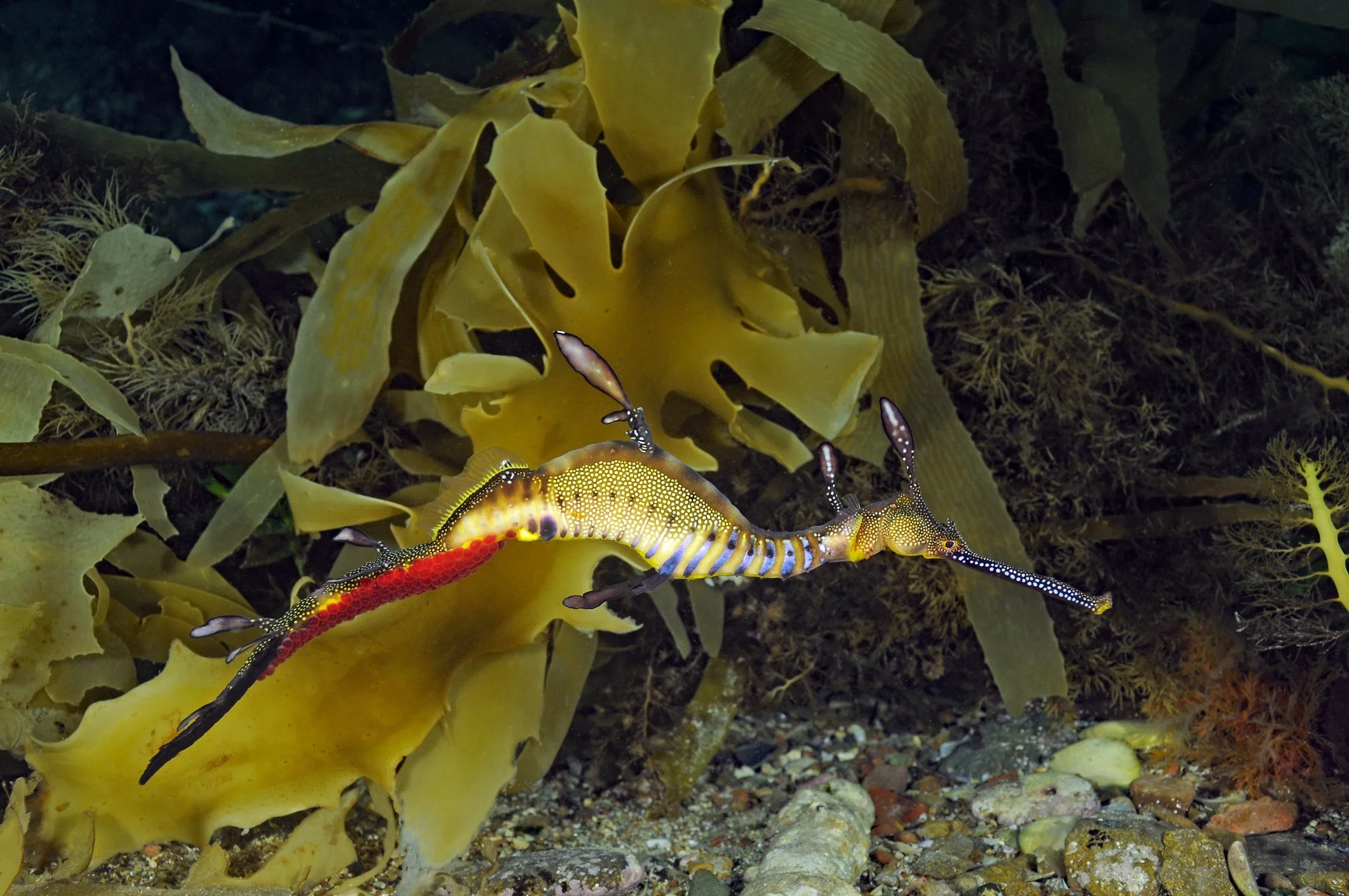
Fig 5: A male weedy seadragon carrying eggs that are ready to hatch (Photo credit: iStock/Rob Peatling)
Nothing changes for the weedy boy in the parenting department; just like his cousin leafy, he is destined to carry the eggs around under his tail till they hatch!
Ruby seadragon: Recently-discovered mysterious beings with a limited range (South-west Australia) and even more limited information, the ruby seadragon (Phyllopteryx dewysea) gets its name from its ruby-red body. It doesn’t have any of its cousins’ leafy appendages for camouflage; however, its color appears to serve the purpose to some extent. Ruby seadragons live in deeper waters when compared to leafy and weedy seadragons. Red light is rapidly absorbed in deep water, so a red animal can appear dark and inconspicuous in its low-light habitat. For the seadragon, which has never had the lofty ambitions of the (supposedly) fire-spitting, ferocious land dragons, being in incognito mode is the perfect state to be in!
