
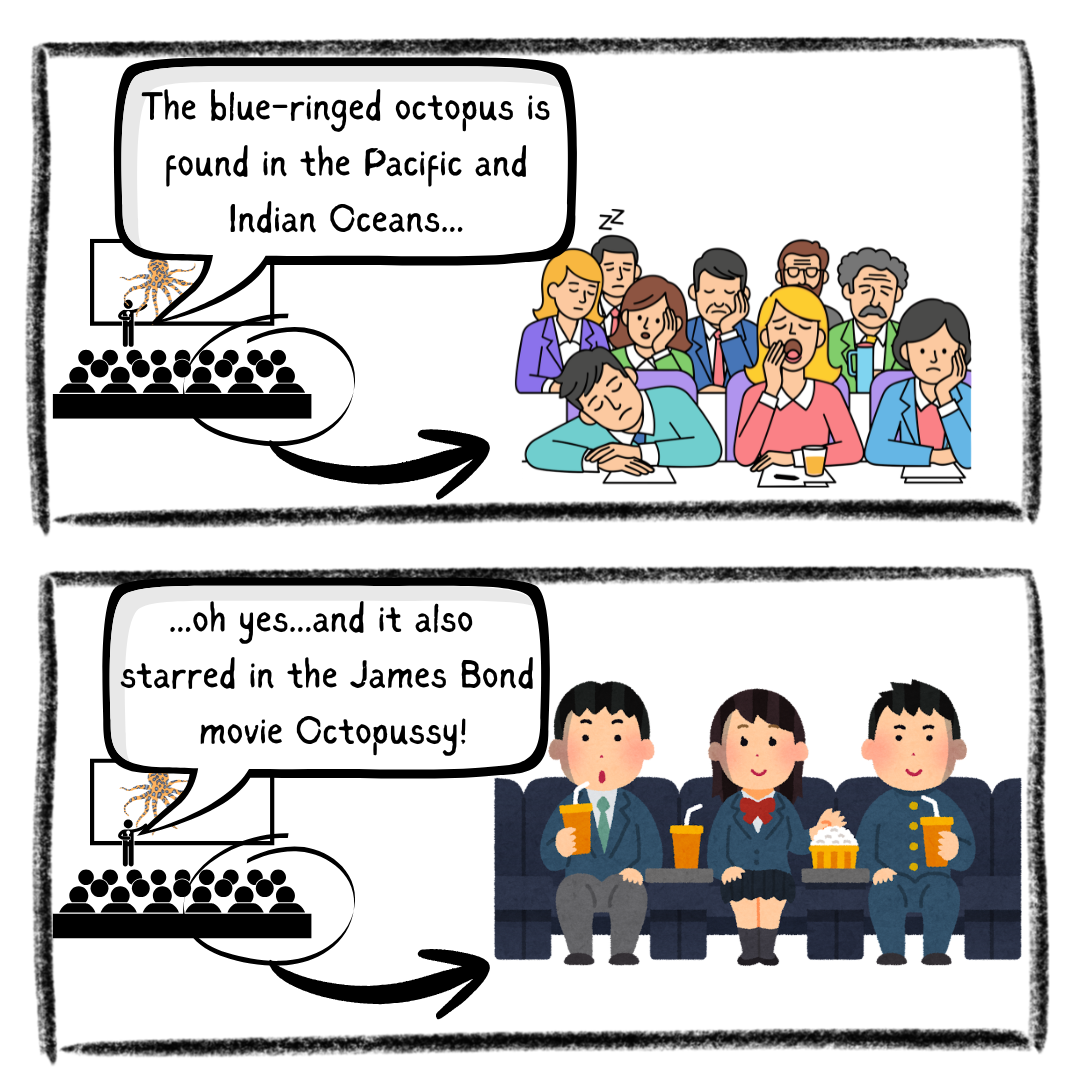
Fig 1: What’s so special about a blue-ringed octopus?
The James Bond movie bit, though true, was brought in just to catch your attention and get you to sit through the rest of my boring lecture on these stunning octopuses. I hope you won’t get mad at me, flash your glistening blue rings as a warning and float away in a huff (or worse). Yet, if you were a blue-ringed octopus, that’s exactly what you would do!
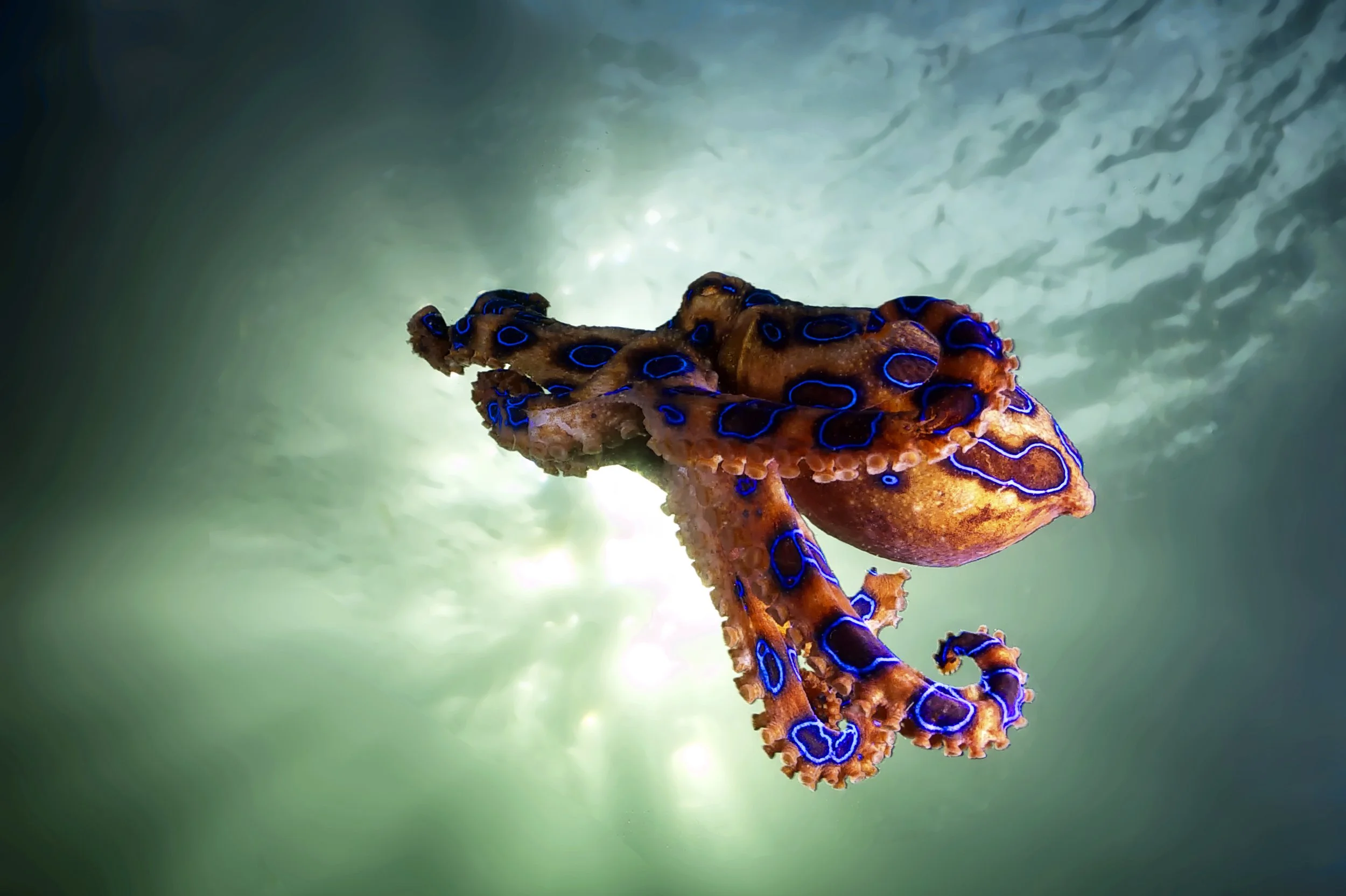
Fig 2: The hovering blue-ringed octopus (genus Hapalochlaena) (Photo credit: iStock/Subaqueosshutterbug)
Blue-ringed octopuses (genus Hapalochlaena) are extremely venomous and often found in tidal pools and coral reefs from Japan to Australia. These tiny golf ball-sized creatures carry enough venom to kill 26 adults in minutes! Worse, their bite is tiny and painless; you won’t realise that you have been bitten till the neurotoxin starts shutting down your nervous system.
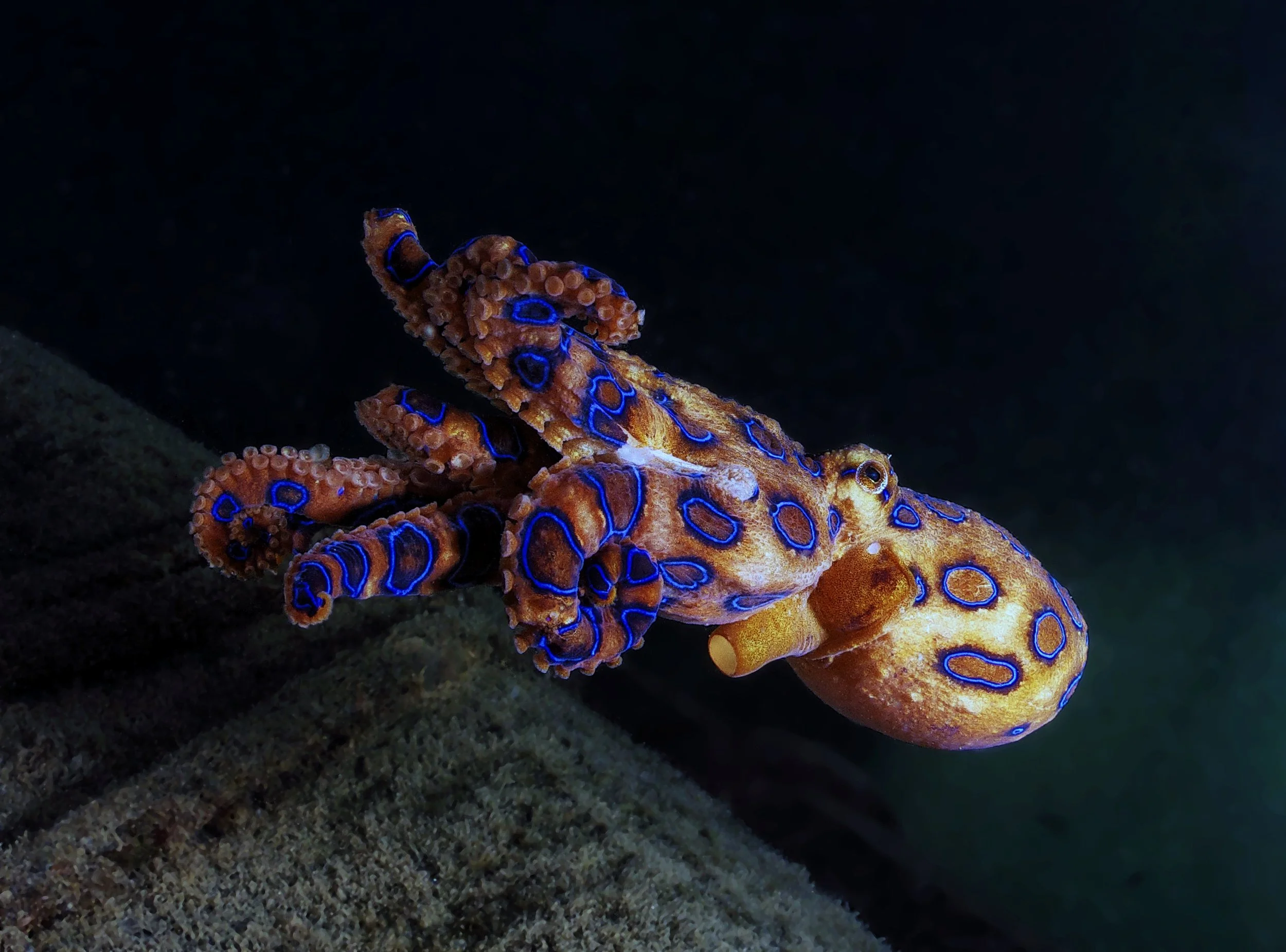
Fig 3: An agitated blue-ringed octopus swimming away (Photo credit: iStock/ Subaqueosshutterbug)
Attacking humans is not their first instinct, though. Blue-ringed octopuses are generally docile and tend to keep a distance from humans. However, hell hath no fury like a woman scorned, or an angry blue-ringed octopus. They do give a final warning shot – a brilliant flash of blue. Within 1/3 of a second, they turn bright yellow, with each of the 50-60 rings on its body flashing a bright iridescent blue. Simultaneously, the dark-colored chromatophores surrounding the rings expand, which increases the brilliance and contrast of the dazzling blue rings. That’s the marine version of contrast enhancement for you! A blue-ringed octopus with flashing rings is never more gorgeous—or more dangerous. Not heading its warning shot means not living to tell the tale.
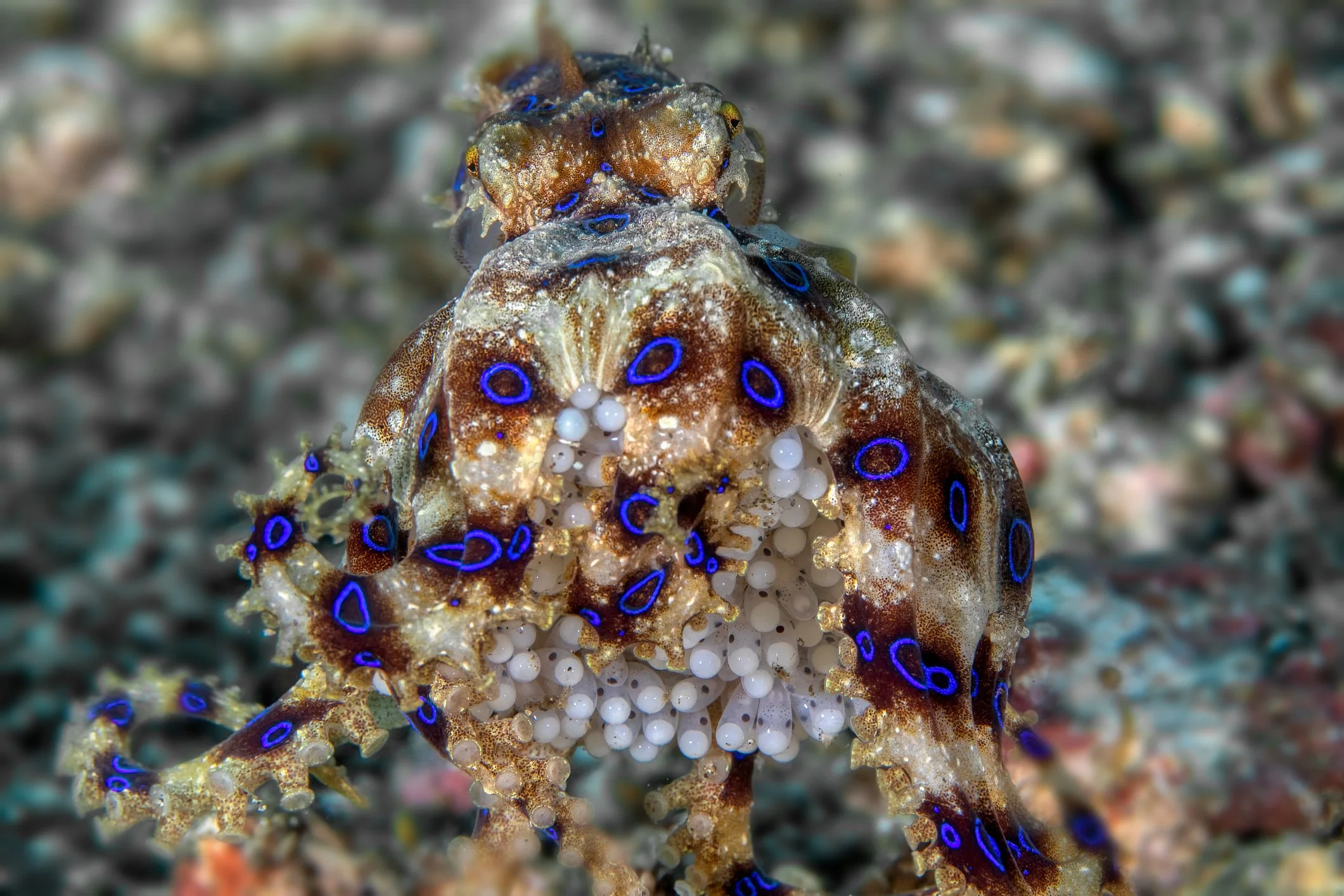
Fig 4: The blue-ringed octopus mum lays between 50 and 100 eggs, and refuses to eat while guarding them. (Photo credit: iStock/Sonja Ooms)
Despite its fearsome reputation, the octopus is an undeniably devout mother. She lays around 50 eggs once in her lifetime, and carries them around for 3-6 months. During this time, she refuses to eat and slowly wastes away. By the time the eggs hatch and the newborns set out to begin their life journeys, the exhausted and emancipated mother reaches the end of her own.
