
Fig 1: What’s your favorite? Candy or fairy floss? (Photo credit: iStock/Tijana87)
No, I am not talking about candy or fairy floss! Or Candy Crush. Crab – the word is intentional. On second thoughts, how did they come up with such exotic names for crabs? Let’s explore.
Candy Crab (Hoplophrys oatesii): Before we venture into exploring how this crab got its yummylicious name, let’s us have a look at where it lives.
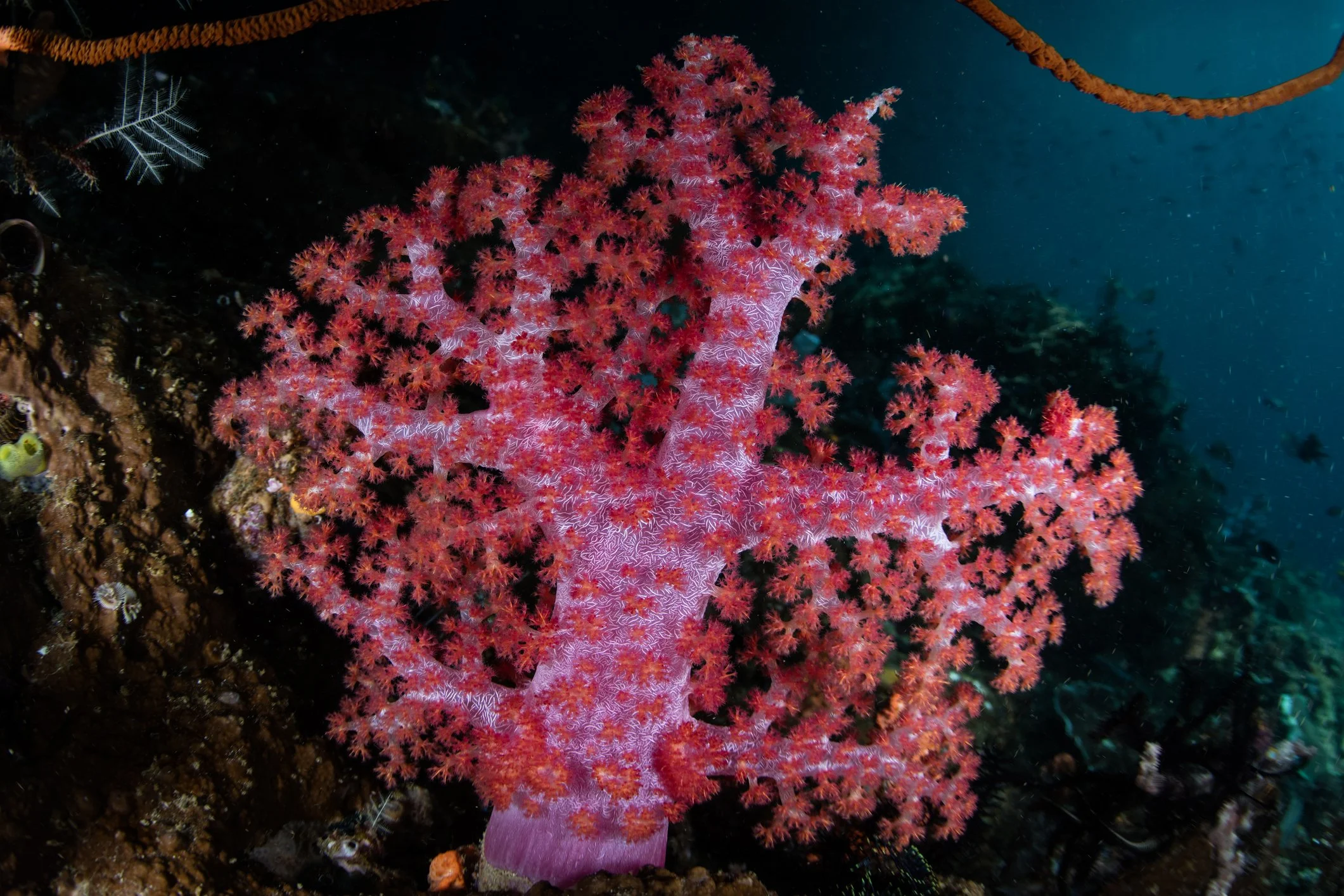
Fig 2: ‘Home Sweet Home’ of the candy crab: a colorful colony of soft corals (Dendronephthya sp.) growing on a shallow reef in Indonesia. (Photo credit: iStock/Velvetfish)
A look at the candy crab’s home will tell you why it looks as exotic as it does. These crabs live exclusively in the colorful Dendronephthya soft corals. No wonder then, they have evolved to mimic the coral’s color and shape to perfection. (Ref 1) When nature makes you diminutive-sized, with no hard shells or fearsome pincers for protection, the only way to defend yourself is camouflage, and the candy crabs have definitely aced this game to a T.
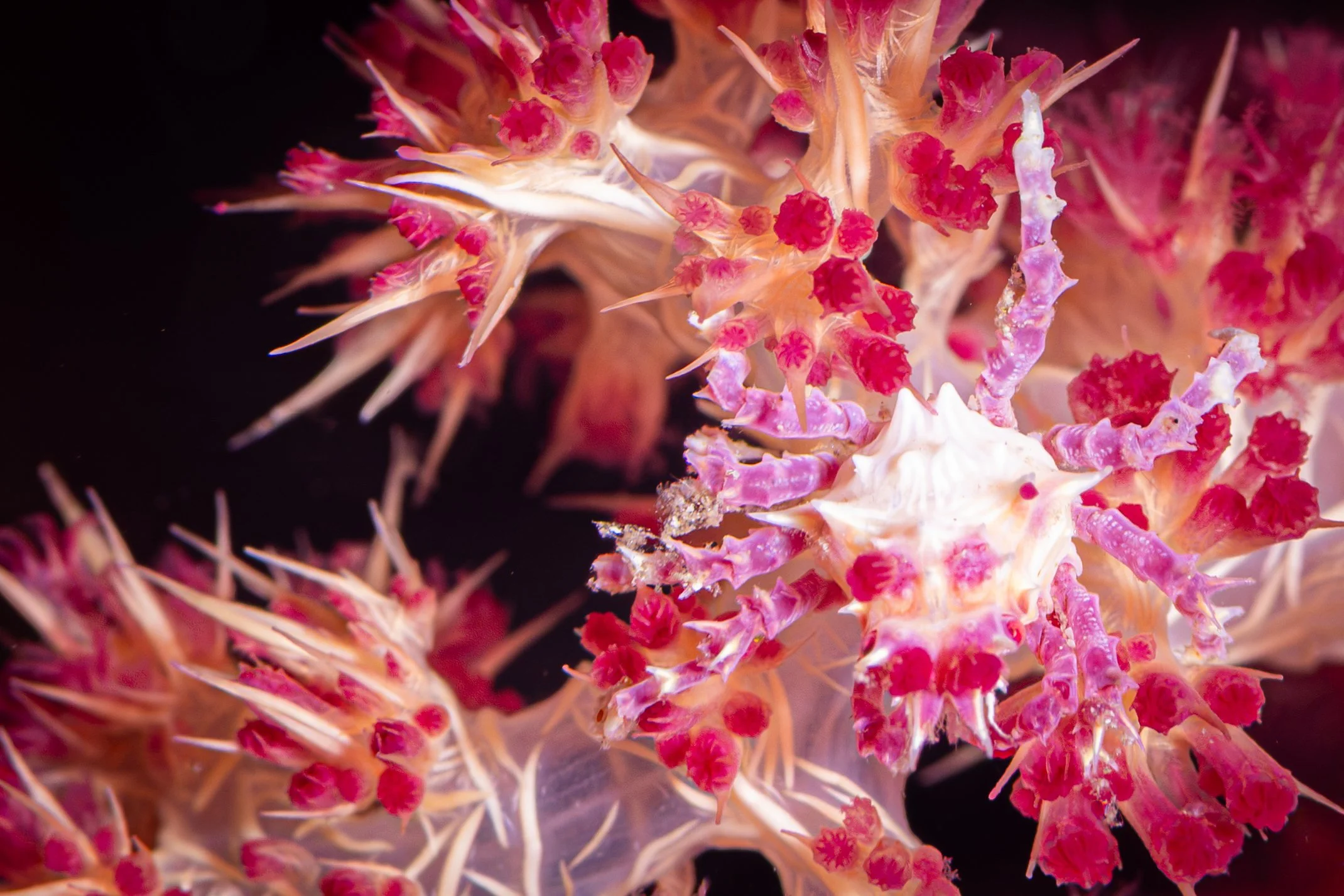
Fig 3: The candy crab in the Philippines (Photo credit: iStock/Mark Nooijen)
The candy crab come in as many colors as its host coral does – red, pink, purple, yellow or white. They have thorn-like extensions all over their body, designed to perfectly mimic the attractive polyps around them. As if that’s not enough, the crabs take the survival game a notch higher by sticking coral polyps on their back.
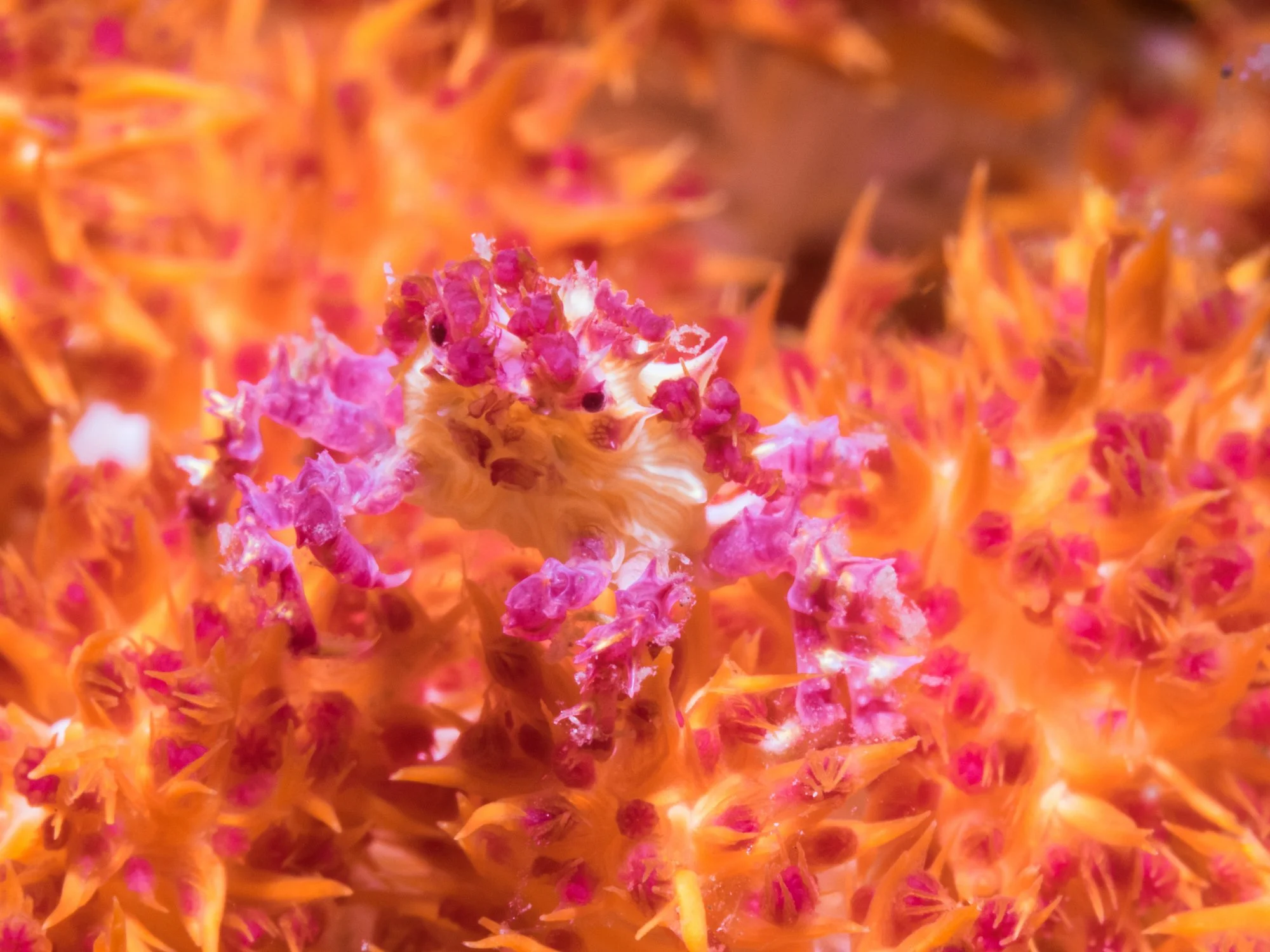
Fig 4: The candy crab has evolved to mimic the color and features of its home, the Dendronephthya soft corals (Photo credit: iStock/nickutchin)
Fairy Crab (Lauriea siagiani): After the candy comes the fairy. Take one look at the photo below, and you will understand how it got its name. It is pink or purple in color, with bright yellow eyes and fleece all over its body. And it is miniscule, measuring just a few millimeters in size. (Ref 2) The fairy crab is also known as the hairy squat lobster. The name, however, is a misnomer. It is not a lobster; it belongs to a group of crabs known as the Anomurans.
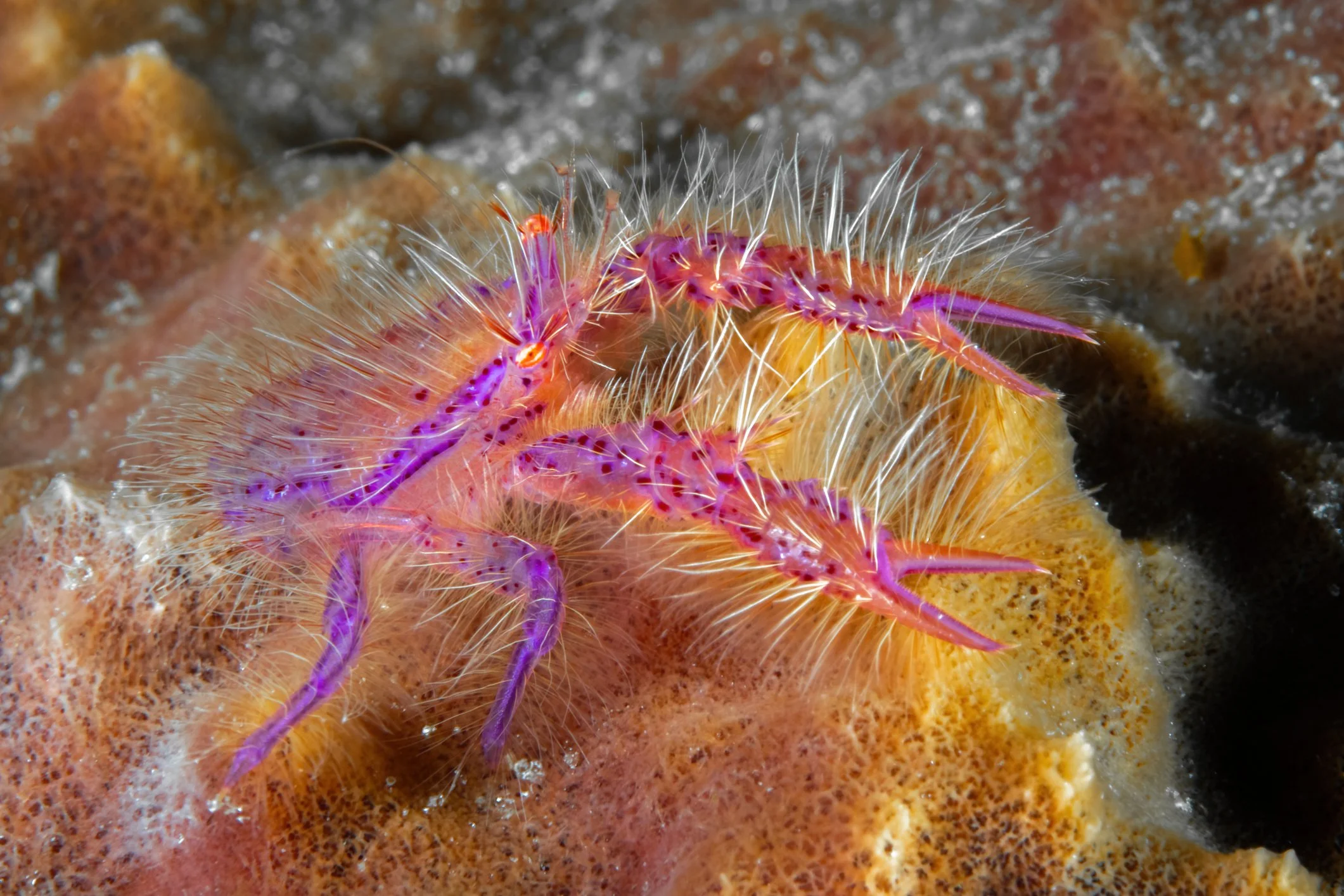
Fig 5: The fairy crab (Lauriea siagiani) or the hairy squat lobster (Photo credit: iStock/Andriislonchak)
These tiny crabs, no bigger than your fingernails, are master foragers. Their long hairs help them catch and eat organic ocean debris. They live on giant barrel sponges (Xestospongia testudinaria), with whom they have struck an agreement – the sponge gives the crab a safe place to live in; the crab, in return, keeps the sponge clean and free of ocean debris.
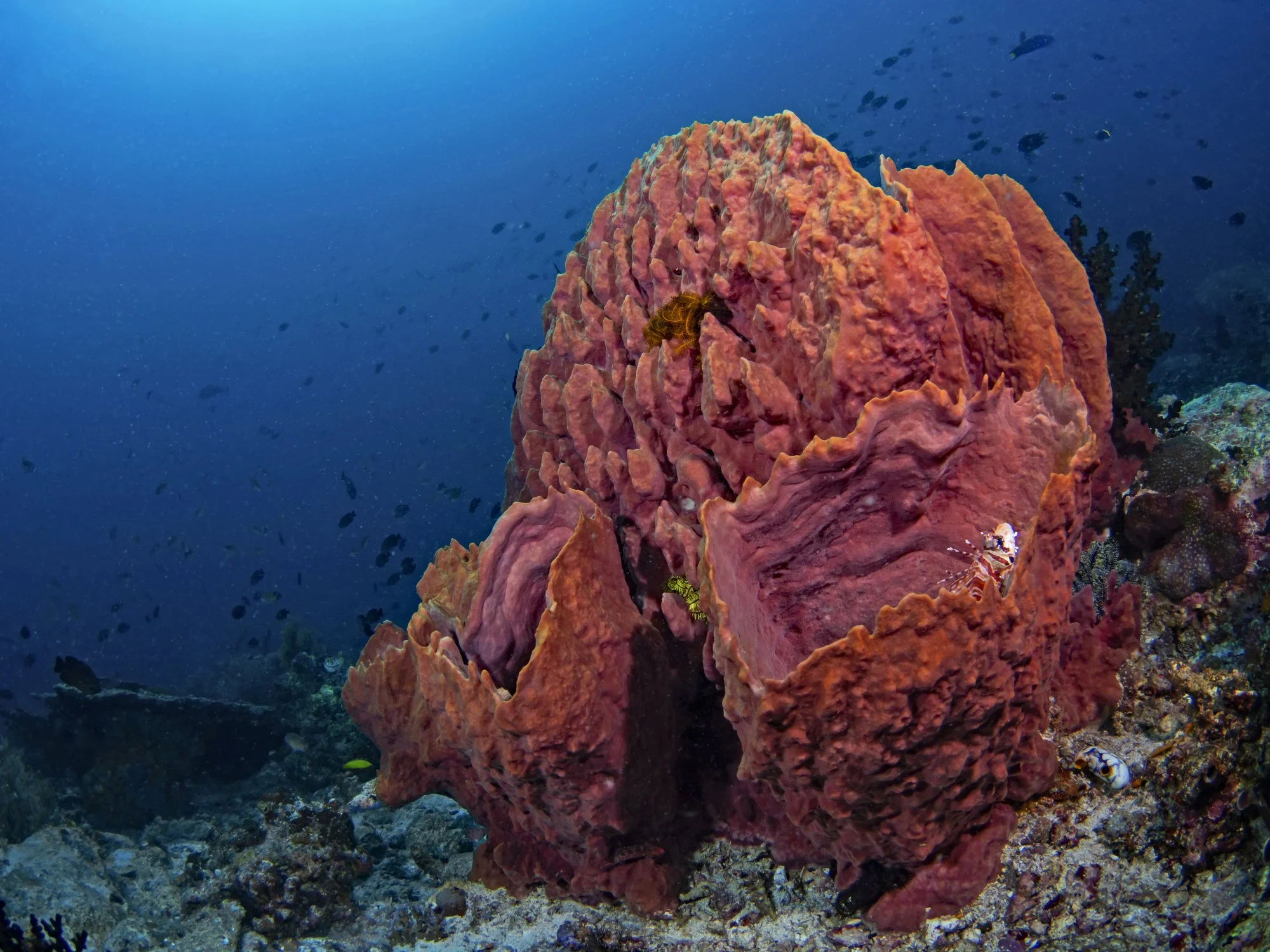
Fig 6: Barrel sponge (Xestospongia testudinaria), the home of the fairy crab. Can you spot any creatures hiding out there? (Photo credit: iStock/scubaluna)
These crabs don’t have a shell for protection, hence the safe haven provided by the barrel sponge is crucial for their survival. They also have a habit of wrapping their tail around themselves for extra protection of their delicate abdominal area (check out the photo below). Don’t be deceived by their fragile appearance though; these crabs have been observed to steal food from toxin-wielding anemones having bad-tempered clownfish as bodyguards. Hence proved – a ‘clown’fish can never really be a good bodyguard!
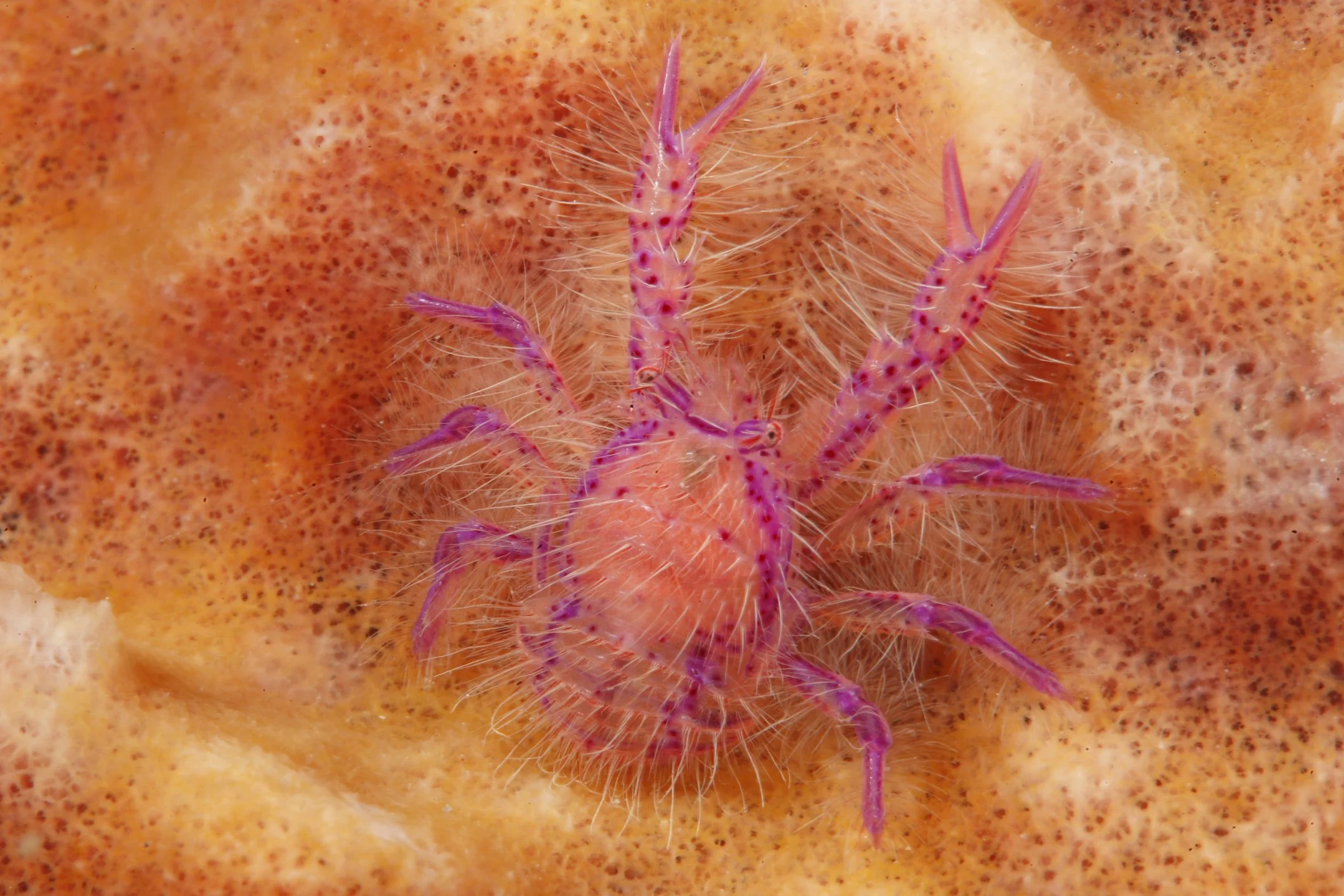
Fig 7: Fairy crab on a giant barrel sponge. Notice how it has wrapped its tail around its lower abdomen for protection. (Photo credit: iStock/Thierry Eidenweil)
