
Pygmy Seahorse and the Art of Camouflage
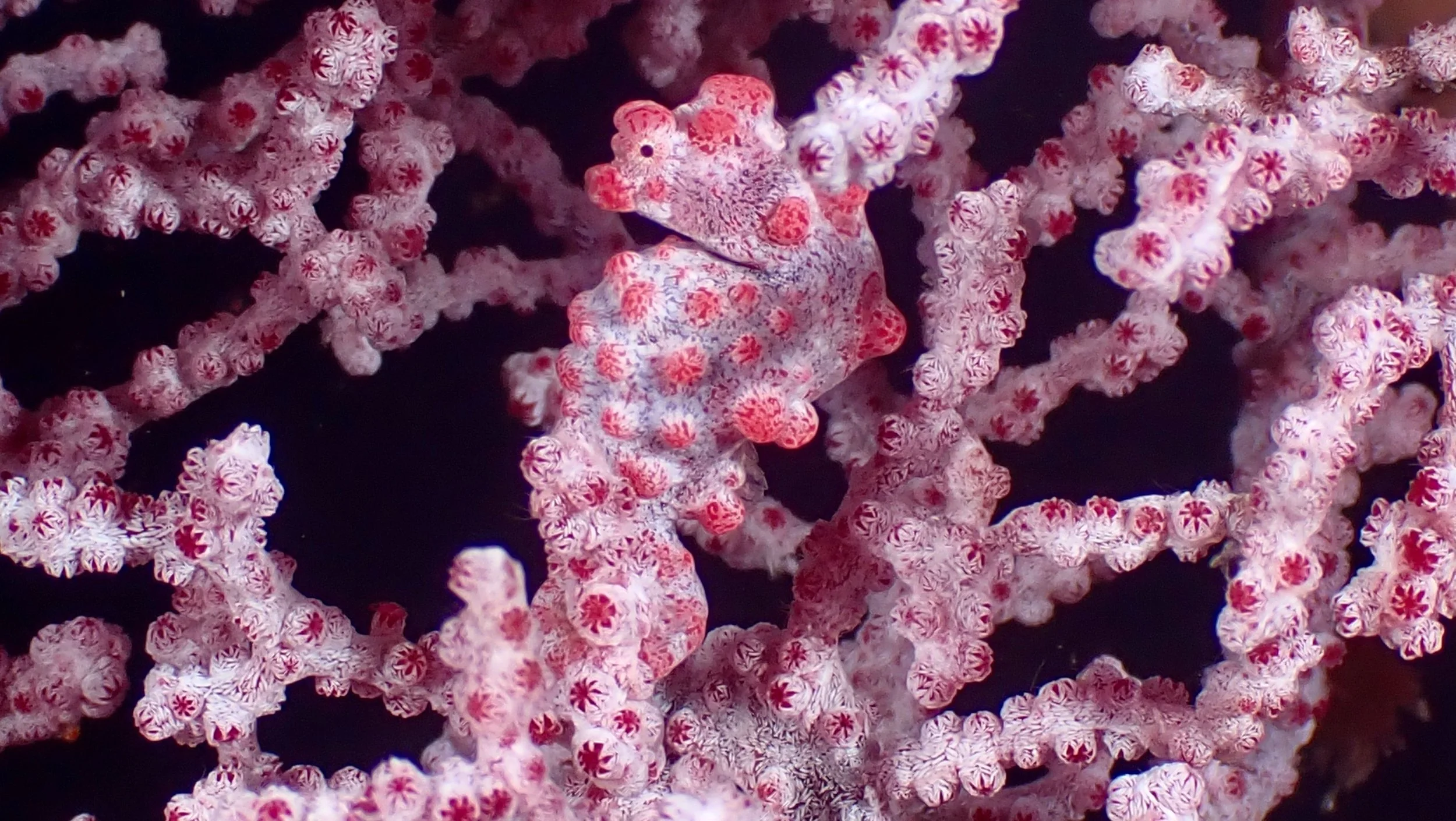
Fig 1: Someone is hiding in plain sight. Can you spot it? (Photo credit: Pexels/Chris Spain)
Take a look at the photo above. What do you see? Can you spot someone lurking in the shadows, or hiding in plain sight? I guess you have, upon close inspection. The eyes are a giveaway. For the most part, though, the pygmy seahorses have learnt to mimic their host corals to near perfection.
What are pygmy seahorses? As evident from the name, these are a group of tiny seahorses (<2 cm in height) found mostly in the Coral Triangle area of Southeast Asia. Consider how tiny they really are; a recently discovered one is reportedly no bigger than your fingernail. This fact, along with their exceptional camouflage abilities, means that they manage to escape detection – not just by predators, but also by scientists and explorers. Spotting a pygmy seahorse on its host coral is like finding a needle in a haystack. The pygmy seahorse was discovered almost by accident in 1969 when a researcher, Georges Bargibant, of the Nouméa Aquarium in New Caledonia collected a specimen of gorgonian coral (sea fans of Muricella sp.). While examining a piece of coral on the dissection table, he happened to notice a pair of tiny seahorses clinging to it. The newly discovered species was officially named as Bargibant's pygmy seahorse (Hippocampus bargibanti) in the following year.
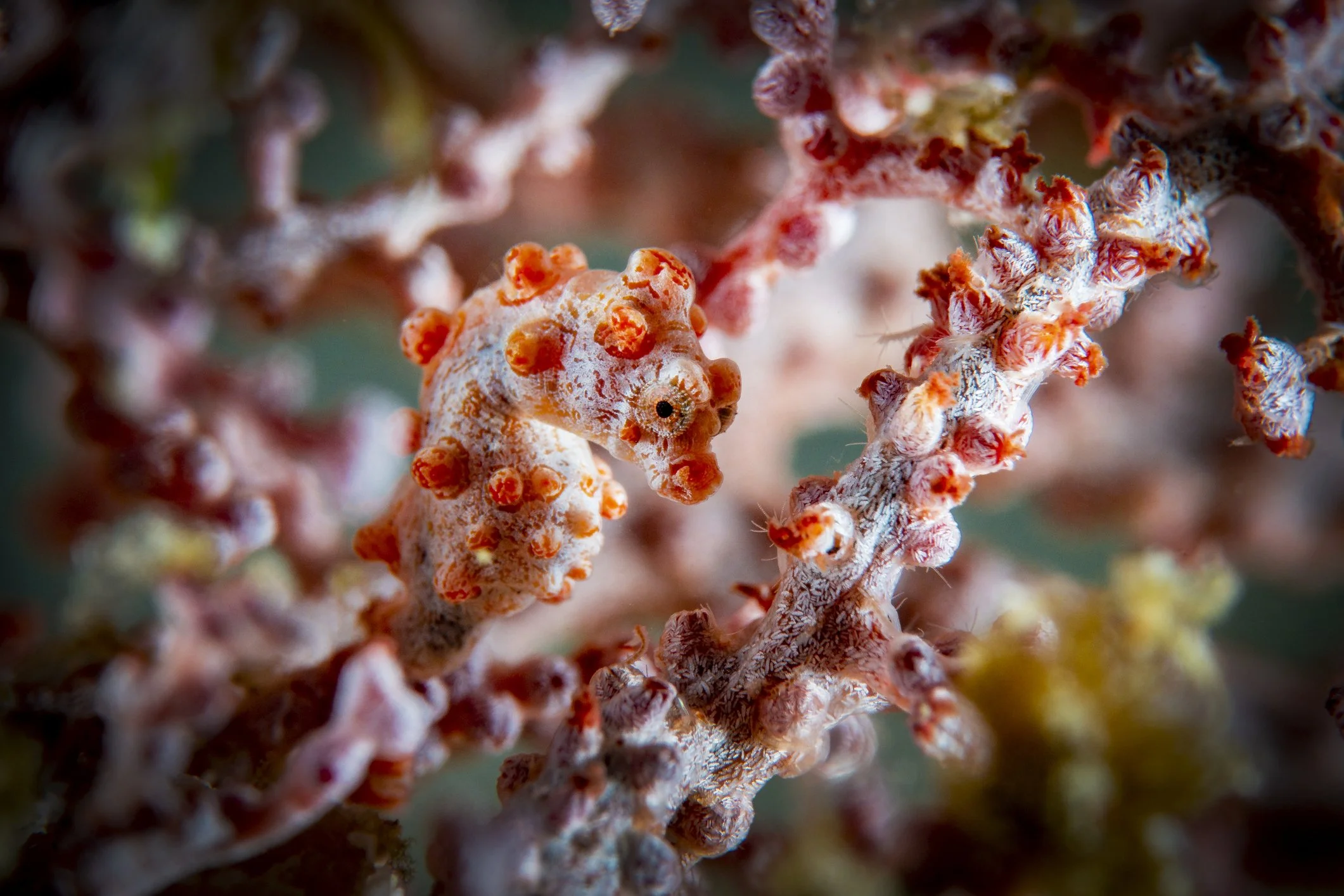
Fig 2: Pygmy seahorse (Hippocampus bargibanti or Bargibant's seahorse) in Raja Ampat, an archipelago in Indonesia. (Photo credit: iStock/Wan Yong Chong)
What’s remarkable about this diminutive seahorses is how exceptionally well they have managed to copy the look and feel of their host corals. Unlike the long, horse-like snout of the typical seahorses, the snouts of Bargibant’s pygmy seahorses are short and stout—just like the polyps on the gorgonian corals that host them. They have rounded knob-like coronets and irregular bulbous tubercles all over the body – again, reminiscent of the coral polyps growing in their immediate vicinity.
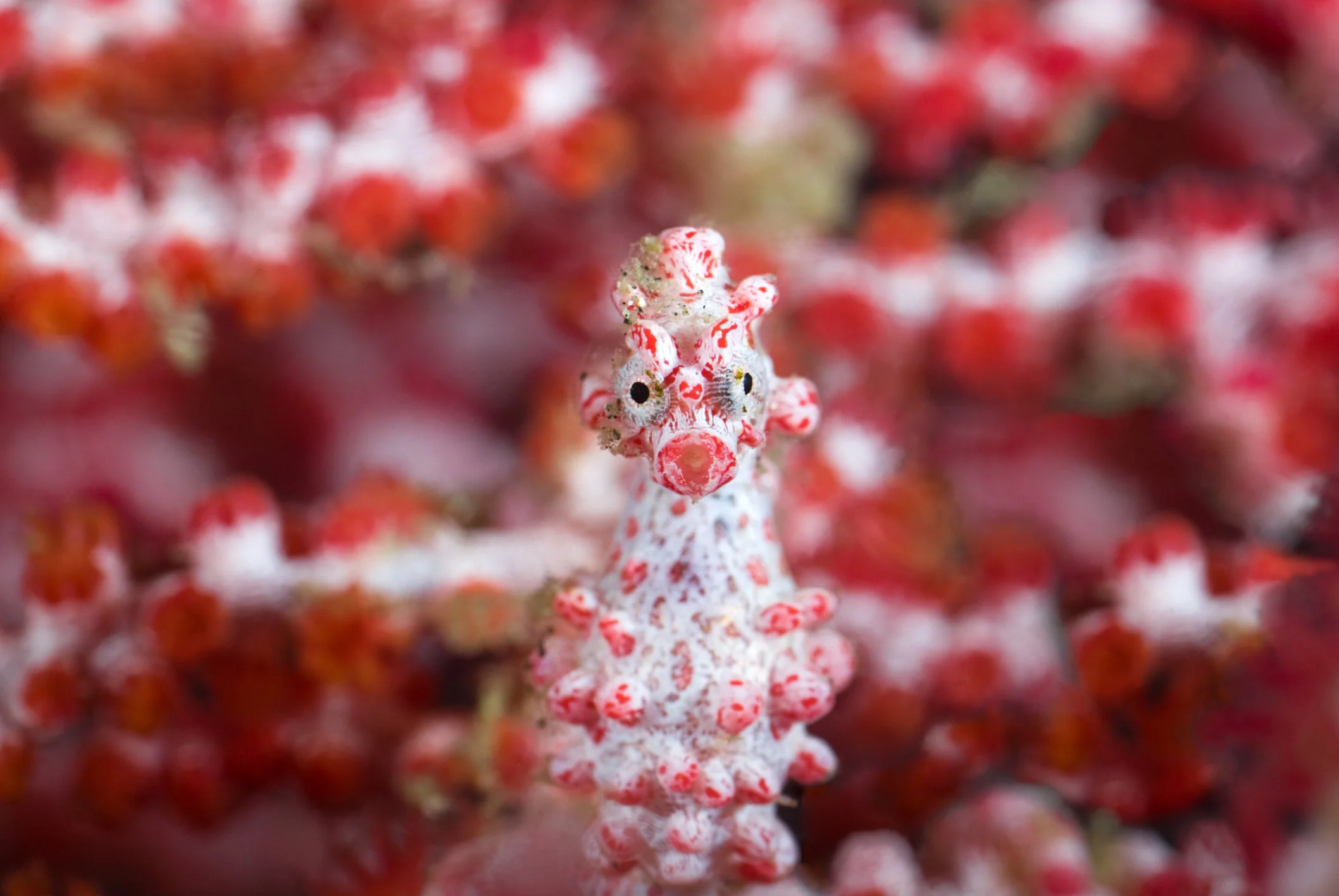
Fig 3: Bargibant's pygmy seahorse (Hippocampus bargibanti). Notice how they can move their eyes independently. (Photo credit: iStock/Leventkonuk)
Bargibant’s pygmy seahorses were the first of the pygmy seahorse group to be discovered, and other remarkable ones have since been characterised. The most recently discovered pygmy seahorse, Hippocampus nalu, is honey-brown color and has a reddish tail, which allows it to blend in with the surrounding algae and sand. Denise’s pygmy seahorse (Hippocampus denise) is named after its discoverer, Denise Tackett. It is orange in color and lives on gorgonian seafans (Annella reticulata, Muricella sp., and Echinogorgia sp.). The coloration and body tubercles are designed to match the stems and polyps of its gorgonian host.
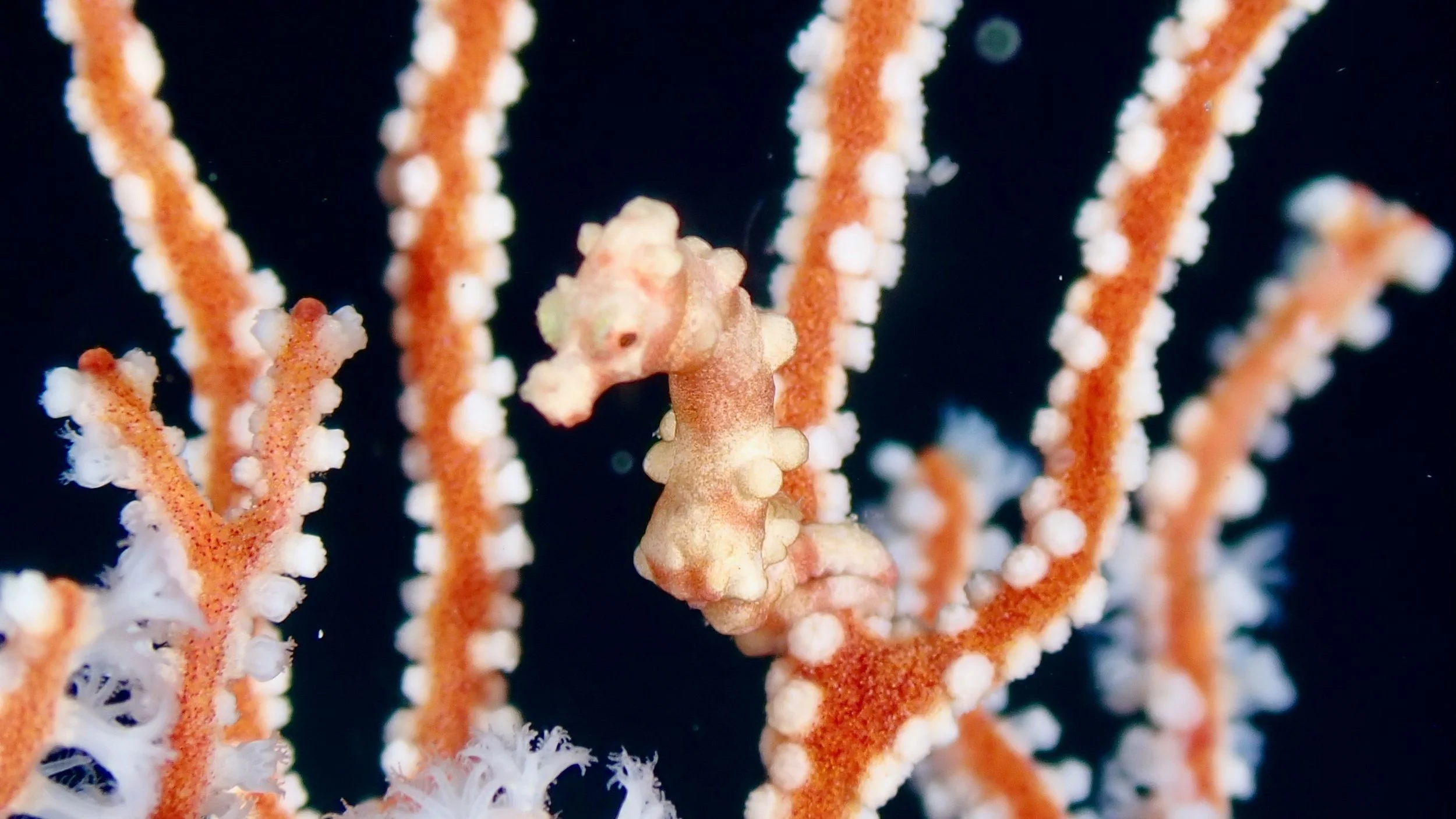
Fig 4: Denise’s pygmy seahorse (Hippocampus denise) (Photo credit: Pexel/Chris Spain)
The pygmy seahorses are an intriguing lot. A marine biologist, Dr Richard Smith, has documented how the male pygmy seahorses give birth, which is surprisingly akin to how humans give birth. Bargibant’s and Denise’s pygmy seahorses spend their entire adult life attached to a single gorgonian coral, which can be more than 100 years old. There is a cruel irony in here. The pygmy seahorses have become so fine-tuned to survival on their specific host corals that they are unable to live in any other way. With the climate change-induced damage to its coral hosts, the pygmy seahorses find their very existence under threat due to factors way beyond their control. In the words of Dr Smith, “The very traits that made these seahorses successful, such as their perfect mimicry, tiny size and specialized biology, are now their greatest vulnerability.”
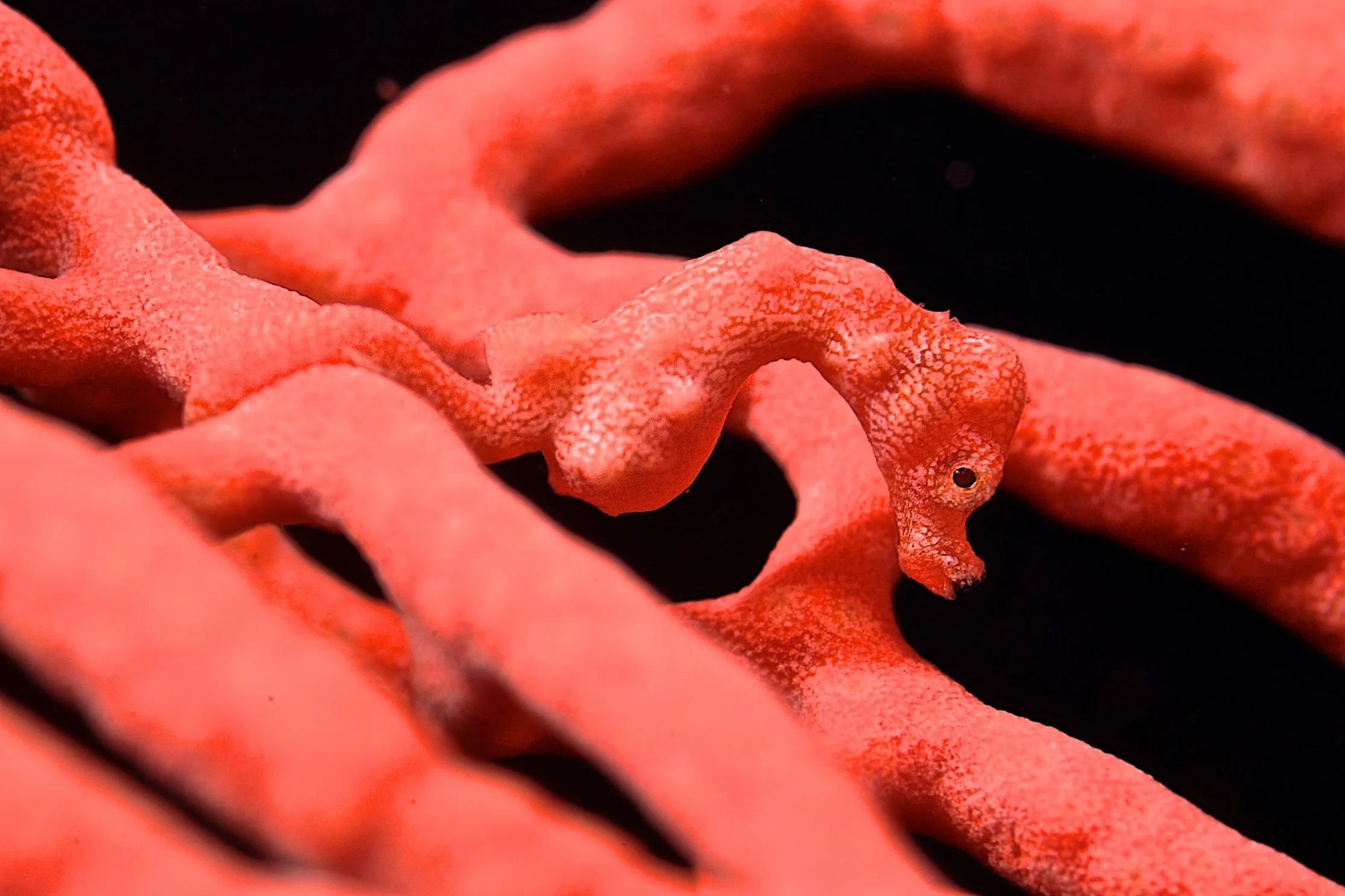
Fig 5: Orange pygmy seahorse (Hippocampus denise) on a gordonian coral. (Photo credit: iStock/FishTales)
