
Who Would You Rather be? Don Quixote or Remora Fish?

Fig 1: Monument of Don Quixote and Sancho Panza in Madrid, Spain (Photo credit: Pexel/Alex Does Pictures)
Here’s a real-life scenario: You are in a neighborhood teeming with criminals of every size and shape. You have none of the thuggery or valor needed to beat them, and worse, there’s nowhere else to go to live out your life. What do you do? You can charge in like a swashbuckling 21st-century Don Quixote, challenging the goons to dare to touch you while secretly despairing about the danger waiting around every corner. Or, you could “think smart, not hard” and strike a friendship with the biggest Don in town, become his trusted confidante, and sit back to watch the roads clear up for you as you hitch a ride with your new best friend – the fearsome don. Makes sense? Well, it certainly does to the marine fish, the common remora (Remora remora), the official hitchhikers of the ocean.
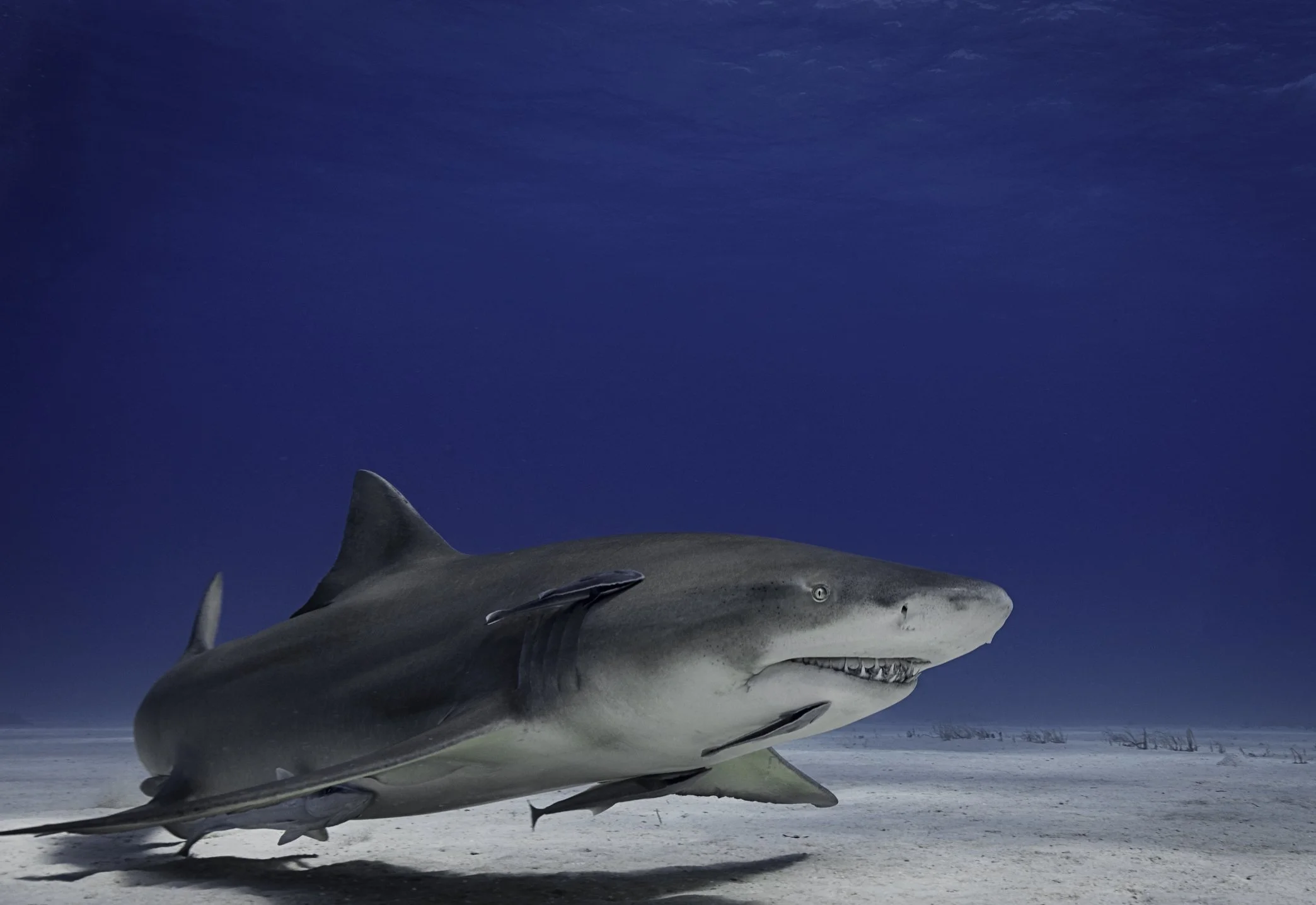
Fig 2: A Lemon Shark (Negaprion brevirostris) with attached remora fish. (Photo credit: iStock/David Keep)
Hitching a ride is not simply a luxury that remoras can’t seem to live without; they literally cannot survive if left to their own devices. Remoras are poor swimmers, but they need fast-flowing water over their gills to survive. Due to this, they cannot survive in still water. If you were in their position, what would you do?
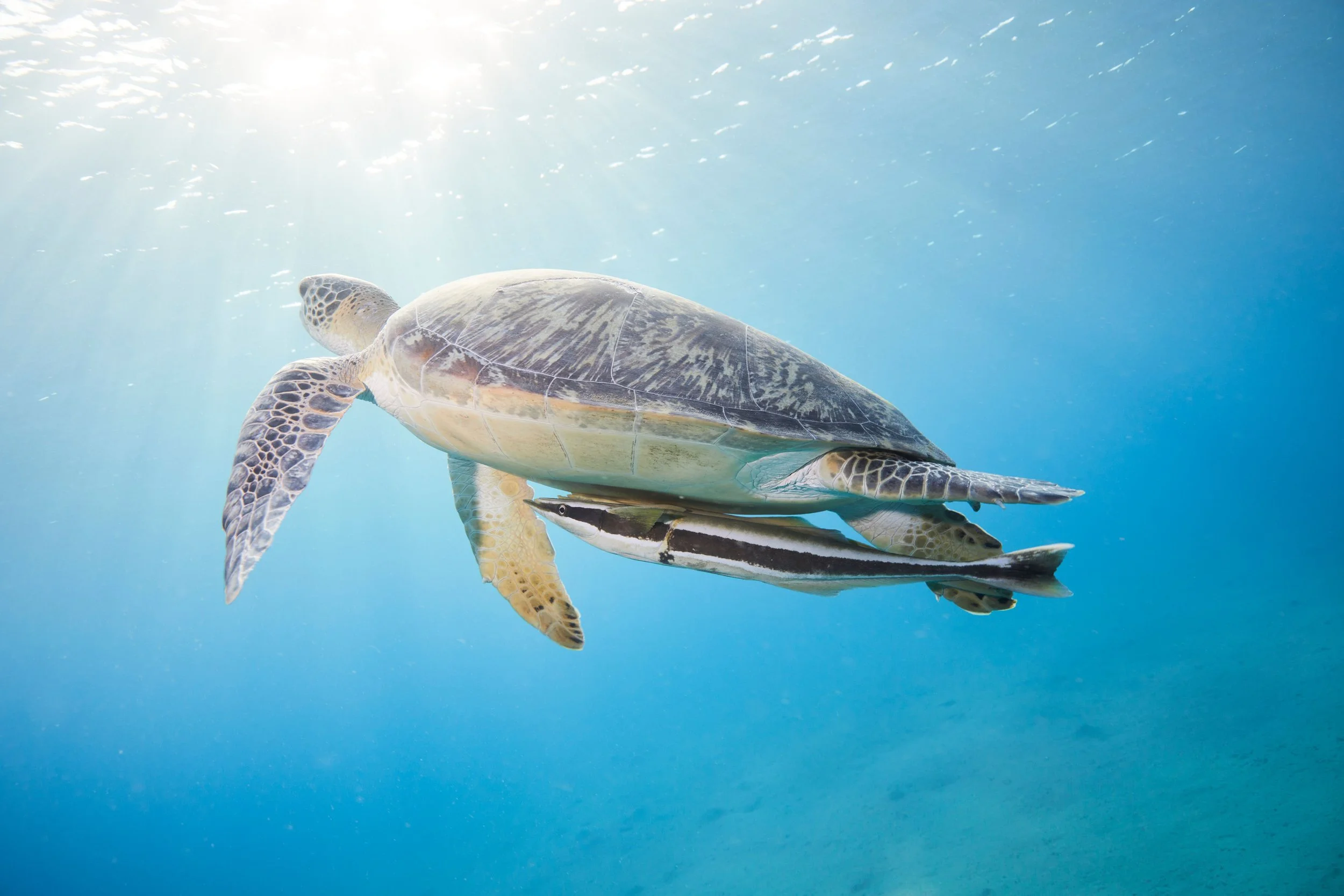
Fig 3: Green sea turtle with a remora in the Red Sea. (Photo credit: Pexel/Stephan Ernst)
The obvious answer – tag along with a marine animal that swims better and faster than you do. Sharks are a favorite of the remoras for this purpose, and so are whales, sea turtles, manta rays, and dolphins. The whale sucker, Remora australis, is often found attached to blue whales, though they are fine with dolphins too. Some have even been reported to attempt to attached themselves to amused divers! They hitch on to their hosts with their modified dorsal fins, which have now evolved to function as suction cups.
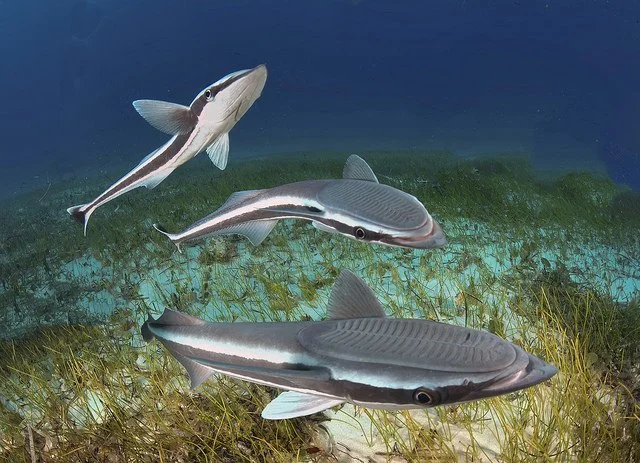
Fig 4: The suction cup of the remoras. (Photo credit: Albert kok, Wikimedia commons, shared under CC-SA 4.0)
The remoras have smartly figured out how to survive in a world teeming with predator by building a friendship with the big bad guy. They get protection, transport and the leftovers of the Don’s dinner. That brings us to an interesting question: what does the Don get from all this? Why does he tolerate hanger-ons who hitch free rides and hang around like unwanted guests? Speciality cleaning and general house-keeping services. (Ref 2) The remoras clean up the leftovers after the Don’s hearty meal, eat parasites off his skin, clean in wounds. Theirs is a symbiotic relationship, and the hosts seem to respect their contribution. Some hosts have even been observed to slow down while the remora is attempting to attach itself. As Lamman Rucker says, “Everything is a negotiation. Everything is a little bit of give and take.”
