
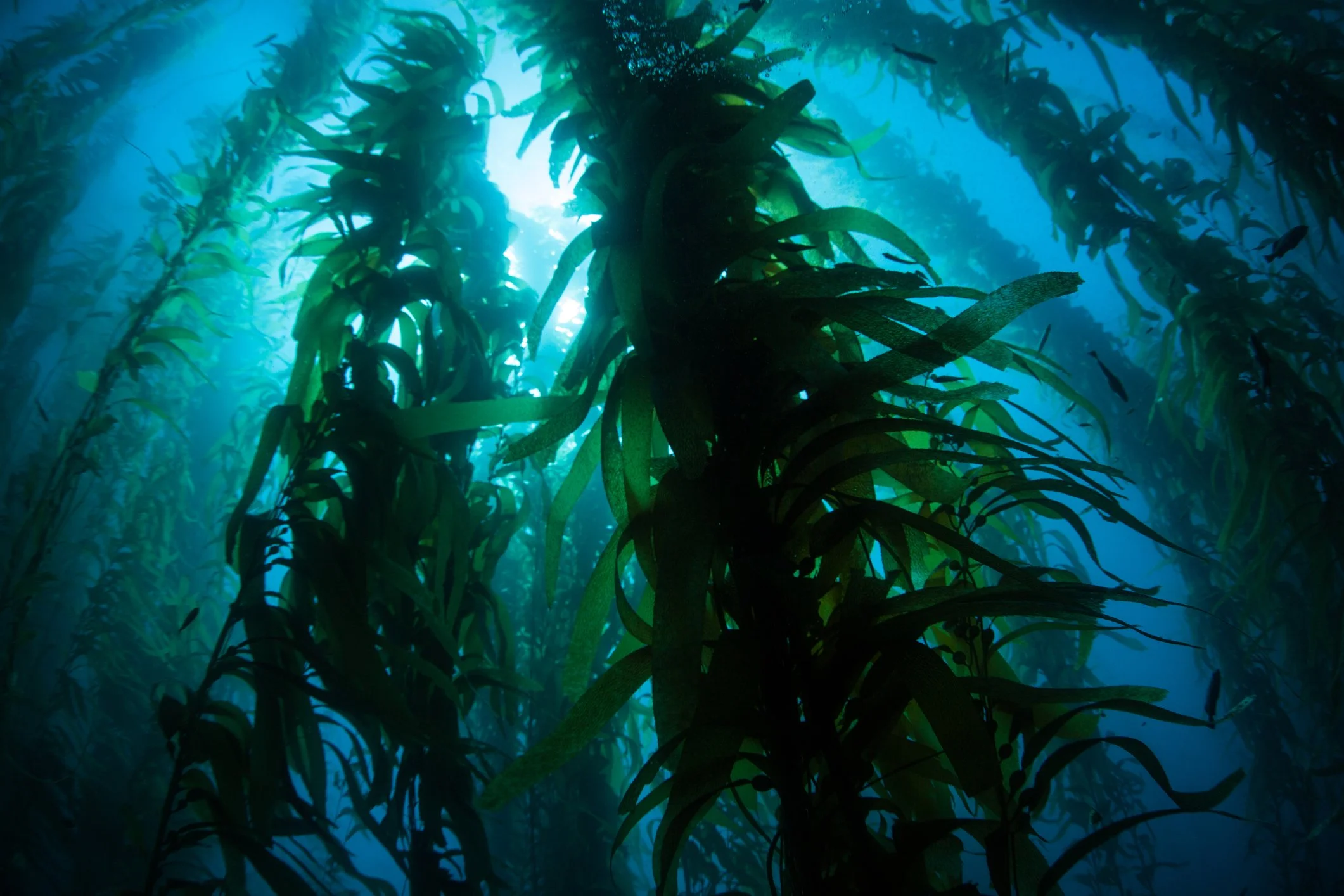
Fig1: Giant kelp (Macrocystis pyrifera) grows in the cold eastern Pacific waters that flow along the California coast. (Photo credit: iStock/Velvetfish)
Why fit in when you were born to stand out- Dr Seuss
I will begin by answering this question on behalf of a few ocean dwellers off the Californian coast. Standing out, no matter how noble and inspiring, is a luxury reserved for a select few. Usually, the things that do stand out in the natural world do so for a purpose. For instance, flowers are exquisitely colored and scented to entice pollinators, and birds have brilliant plumage to attract potential mates. For everyone else living in an environment teeming with predators, standing out is not conducive to survival – blending in is. The citizens of our vast oceans have taken this lesson to heart and have evolved, over time, to mimic their surroundings with remarkable precision. Meet the cohort of cunning camouflage artists off the Californian coast– the kelp fish. True to their name, they live in imposing kelp (or large brown seaweed) forests off our coasts. You could dive in to catch a glimpse, and then struggle to spot them while they hide in plain sight. Let us start with the meet-and-greet!
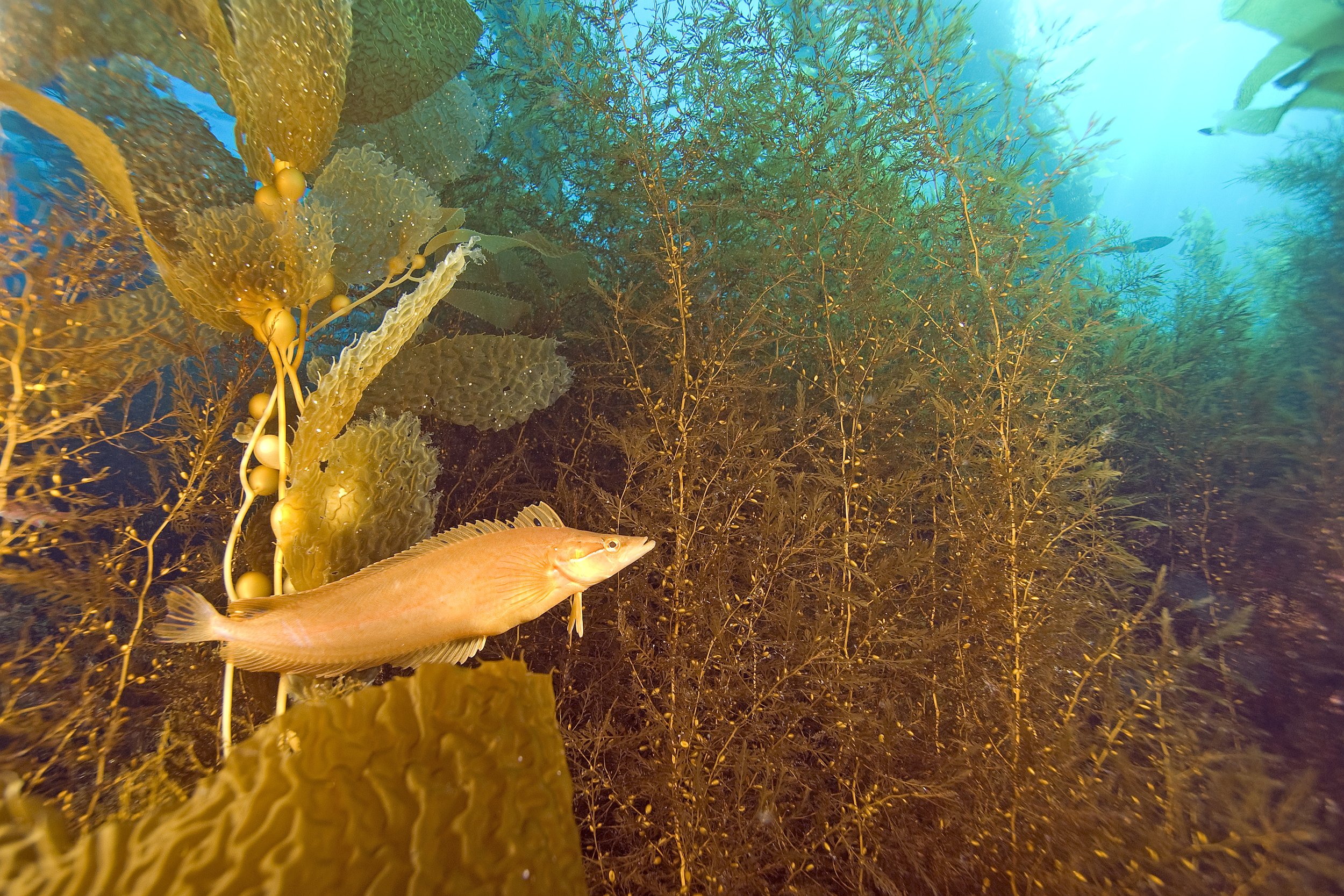
Fig 2: Giant Kelp fish (Heterostichus rostratus) at California Kelp Forest. (Photo credit: iStock/KGrif)
Giant Kelpfish (Heterostichus rostratus): Yes, it is a giant, growing to around 24 inches (61 cm). Yet, with its blade-like body and wizardry in active camouflage, you could be looking at it and fail to spot it. It comes in a variety of colors – red, green and brown. The choice of colors is a no-brainer, really, for it should mimic the foliage of the kelp forest it thrives in, which may be composed of red algae, green algae and brown algae. Not only does the kelp fish naturally have the color of the surrounding algae, it can also change color to match that of its surroundings.
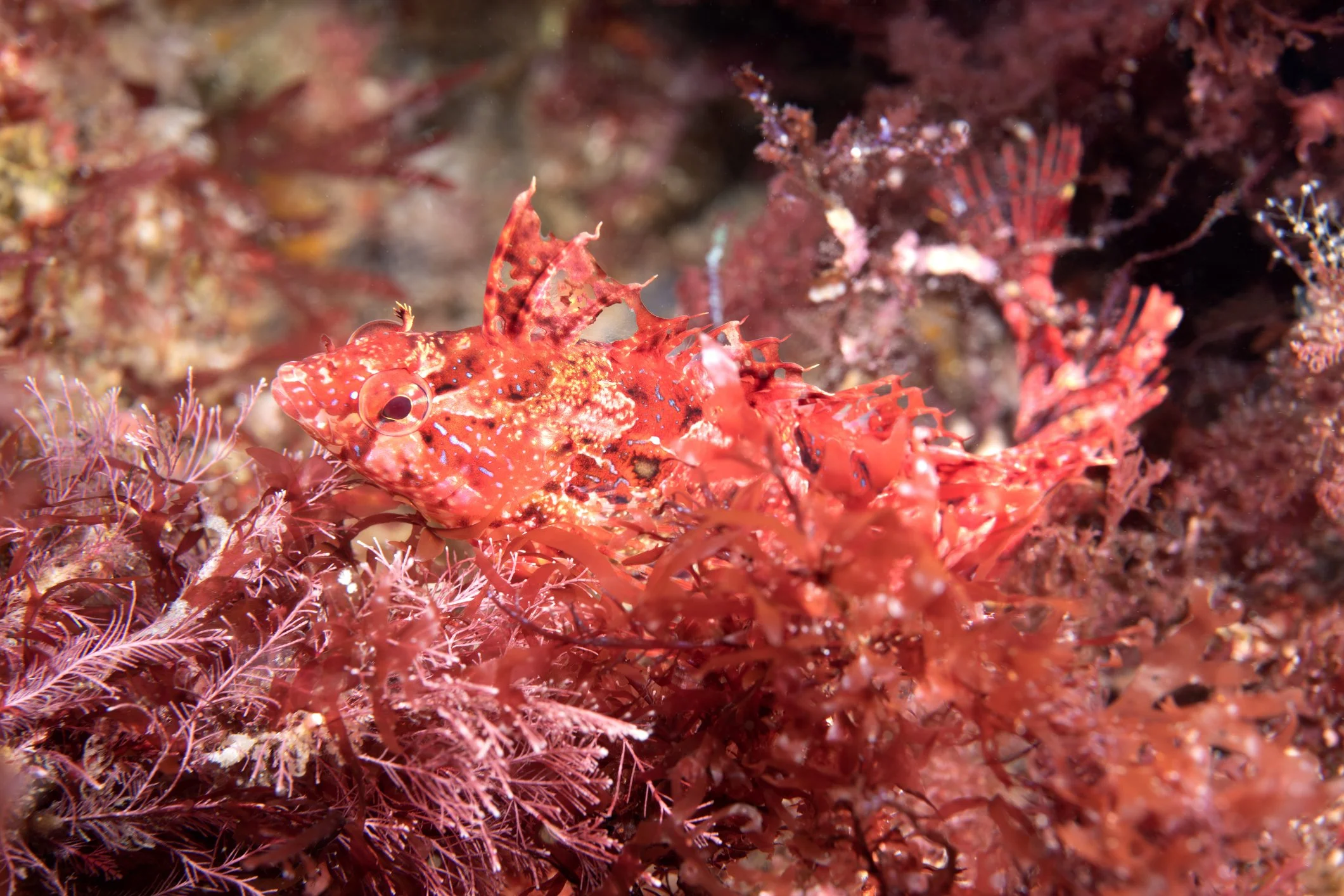
Fig 3: A skittish and elusive crevice kelpfish (Gibbonsia montereyensis) hides amongst a patch of red algae on a reef at California's Channel Islands. (Photo credit: iStock/joebelanger)
Crevice kelpfish (Gibbonsia montereyensis): True to its name, the crevice kelpfish can be found hiding in coastal crevices and rocky outcrops along the eastern Pacific coast. Its body coloration helps this kelpfish blend seamlessly with the surroundings. In fact, its color varies according to the season; it is red in winter when the red algae dominate, and green in spring when green algae dominate the landscape (oops… the seascape).
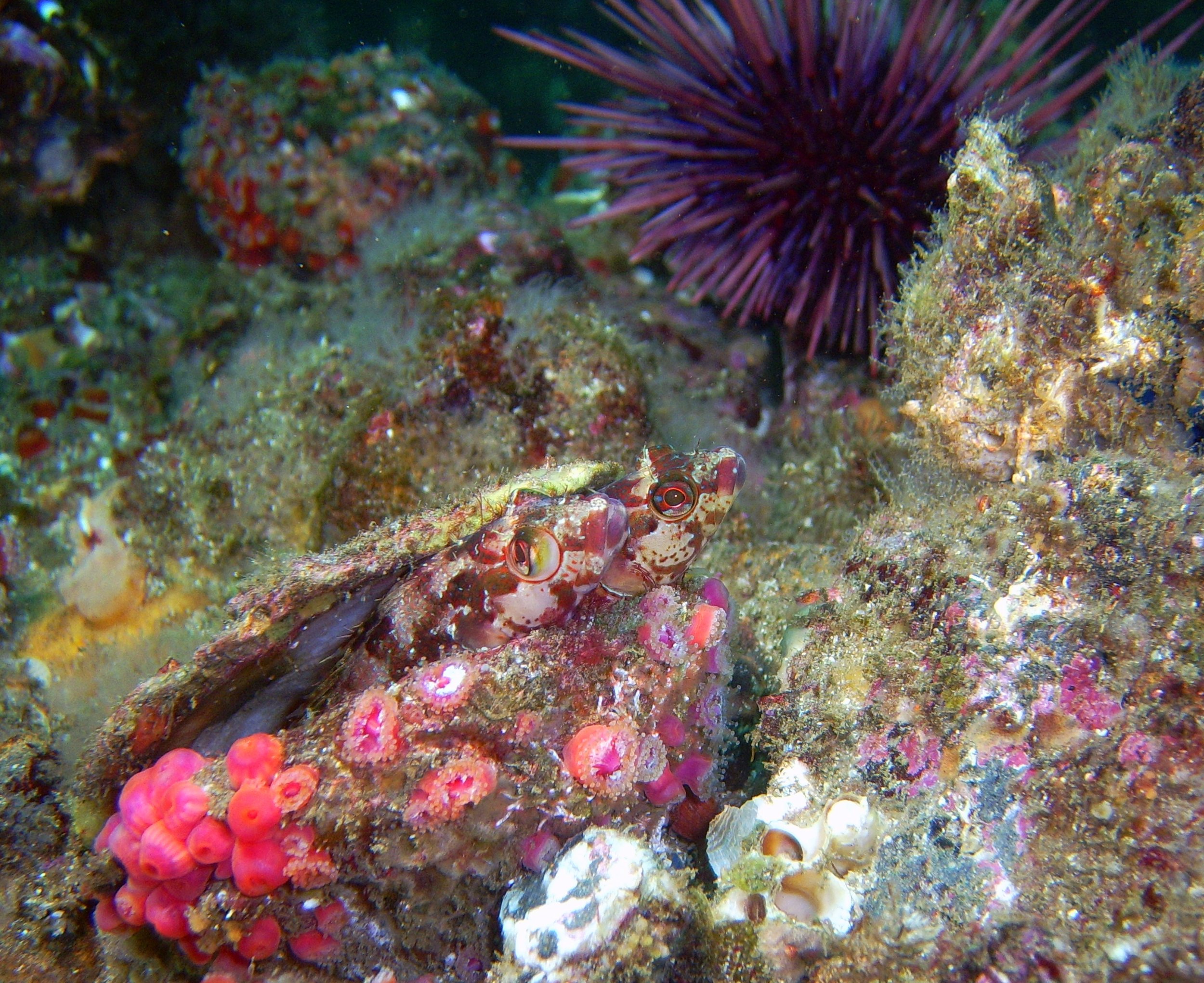
Fig 4: Island Kelpfish pair (Alloclinus holderi) in a scallop shell surrounded by club-tipped anemones and a purple sea urchin, off central California's Channel Islands. (Photo credit: iStock/DeeAnn-Cranston)
Island kelpfish (Alloclinus holder): If you are diving off the Channel Islands of California, the one fish that you are unlikely to miss is the island kelpfish. This stunning fish is known to change its body color to blend with its surroundings, though not to the extent displayed by its larger cousins. Hence, it has figured out another form of camouflage; it simply goes and hides in vacant bivalve shells. It is, however, known to smile (Ok, I made that up) and willingly pose for underwater photographers, and sensing nothing fishy in doing so!
